

Timber Cladding in Bushfire Areas
BAL-rated areas and construction
Building in bushfire-prone areas adds an extra level of consideration to a build. However, it doesn’t mean it rules out timber cladding. Many Australian hardwoods are naturally bushfire resistant, so they can be safely incorporated into building designs in BAL-rated areas.
What is a BAL rating?
BAL (Bushfire Attack Level) measures a building’s potential risk to ember attack, radiant heat, and direct flame contact. Ratings range from BAL–LOW through to BAL–FZ (Flame Zone). The higher the BAL rating, the more precautions are required under the National Construction Code (NCC) and AS 3959.
The bushfire attack level requirements are defined in the NCC and summarised below based on potential exposure to bushfires.
BAL-LOW: Very low risk. No special requirements due to low risk of bushfire attack.
BAL-12.5: Low risk. Possibility of ember attacks due to proximity to vegetation, site and local conditions.
BAL-19: Moderate risk. Increasing level of predicted ember attack and burning debris.
BAL-29: High risk. Increasing level of ember attack and burning debris.
BAL-40: Very high risk. Further possibility of ember attack and burning debris with increased likelihood of exposure to bushfire flames.
BAL-FZ: Extreme risk. Direct risk exposure to flames and ember attack.
Can you build with timber cladding in bushfire-prone areas?
Timber cladding can be used in bushfire areas, provided it meets the relevant BAL requirements. For BAL–LOW to BAL–29, certain timber species and profiles are permitted. However, once you reach BAL–40 and BAL–FZ, traditional timber cladding is generally not allowed unless it has been fire-retardant treated and tested to meet NCC standards.
Fire-resistant timber species and their BAL rating
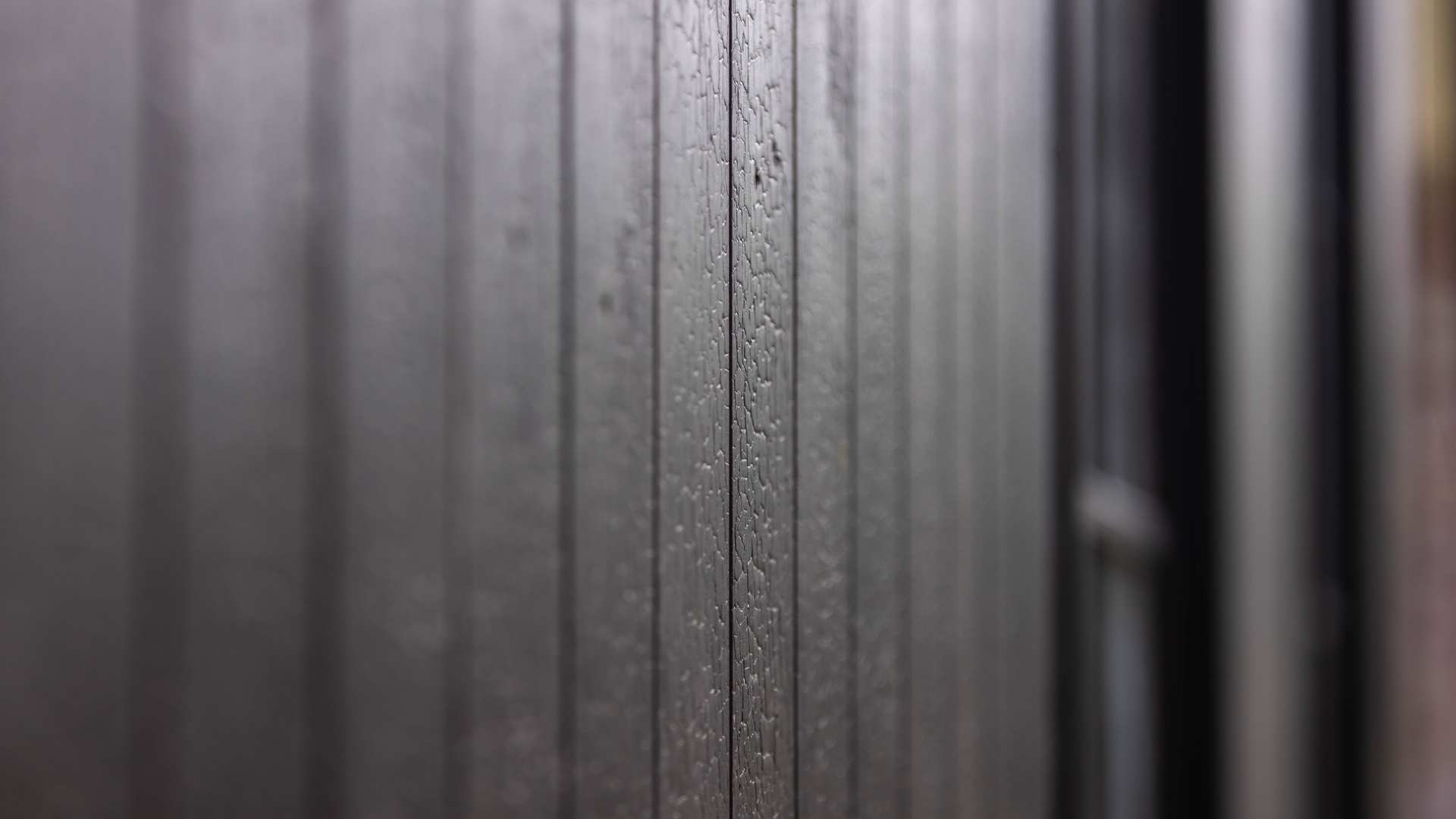
Some Australian hardwoods are naturally more resistant to bushfire conditions than others. Understanding which species are suitable in which bushfire conditions provides clients with more clarity at the design stage. Here are some popular choices and their BAL rating.
Blackbutt Timber: Up to BAL–29
Spotted Gum Timber: Up to BAL–29
Red Ironbark Timber: Up to BAL–29
Treated Pine Timber: Pine is not inherently bushfire resistant. However, fire-retardant treated pine products may achieve compliance from BAL-12.5 up to BAL-FZ when used in tested and certified systems in accordance with AS 3959
Note: Always confirm species suitability, profiles and installation methods against AS 3959 and supplier documentation before specifying.
Other Cladding Considerations
Timber choice is only part of the BAL requirements. You must also factor in:
- Cladding fixings and systems: For example, non-combustible fixings, cavity detailing and installation systems.
- Surrounding materials: Decking, battens, sarking and insulation, floor systems, posts, piers, windows and flyscreens, external doors, vents and weepholes, roof cover, gas pipes, sprinkler systems. These all need to align with the BAL rating.
- Alternative cladding options: In higher BAL areas, fibre cement cladding, bushfire-rated composite cladding or even masonry alternatives may be more suitable.
Bowens BAL Rated Timber Cladding Range
Explore the Bowens website for our wide range of timber cladding, or feel free to drop into your local Bowens store in Melbourne or regional Victoria for advice on our BAL-rated products.
For more cladding options, explore our weatherboards, shiplap cladding, timber cladding, fibre cement cladding, wall panels and composite cladding product categories.
Want to learn more about our cladding species? Read our blog, ‘Select the right species for your timber cladding.’
Bowens Benefits
A loyalty account that gets you 5% off every shop
Ready to sign up?
Already have an account?
Login hereTrade Account
Custom pricing, 30-day trade credit + more
Ready to apply?
Already have an account?
Login here