

The Advantages of Finger Jointed Pine Moulding Over MDF
Comparing Timber and MDF for Mouldings
Mouldings offer both functional and aesthetic value in residential and commercial construction. Whether it’s quad, DAR, picture rails, skirting, architraves or door jambs, mouldings help define a space and protect walls from wear and tear. When it comes to selecting the right moulding material, builders often choose between MDF (medium-density fibreboard) and timber products like finger jointed pine. While MDF is budget-friendly, finger jointed pine provides a range of advantages that make it a smart investment for many projects. Here’s why.
Less Prone to Swelling and Damage from Moisture
One of the biggest drawbacks of MDF is its susceptibility to moisture. Even small amounts of water can cause MDF to swell, warp, or deteriorate over time. Finger jointed pine mouldings, however, are a more durable option in areas where moisture might be a concern, such as bathrooms, laundries or kitchens.
Lightweight and Easy to Install
Finger jointed pine is incredibly practical onsite. It’s lightweight compared to hardwood options and much easier to cut and handle than MDF mouldings. For builders and trades, this ease of installation allows for faster turnaround times and reduced labour costs.
Holds Nails Well
When it comes to fixing, finger jointed pine outweighs MDF as it has a solid, dense grain. It holds nails and screws securely without splitting or crumbling, reducing the risk of cracks or breakage during installation. This makes it suitable for high-traffic areas or installations requiring a more robust hold, such as around doors and windows.
Easier to Repair if Damaged
No material is completely immune to damage, but finger jointed pine is much easier to repair than MDF. Small chips or dents in timber can often be sanded back and refinished without the need to replace the entire length of moulding. In the case of moisture, Pine can tolerate moisture, however MDF lengths will need to be replaced if damaged by moisture.
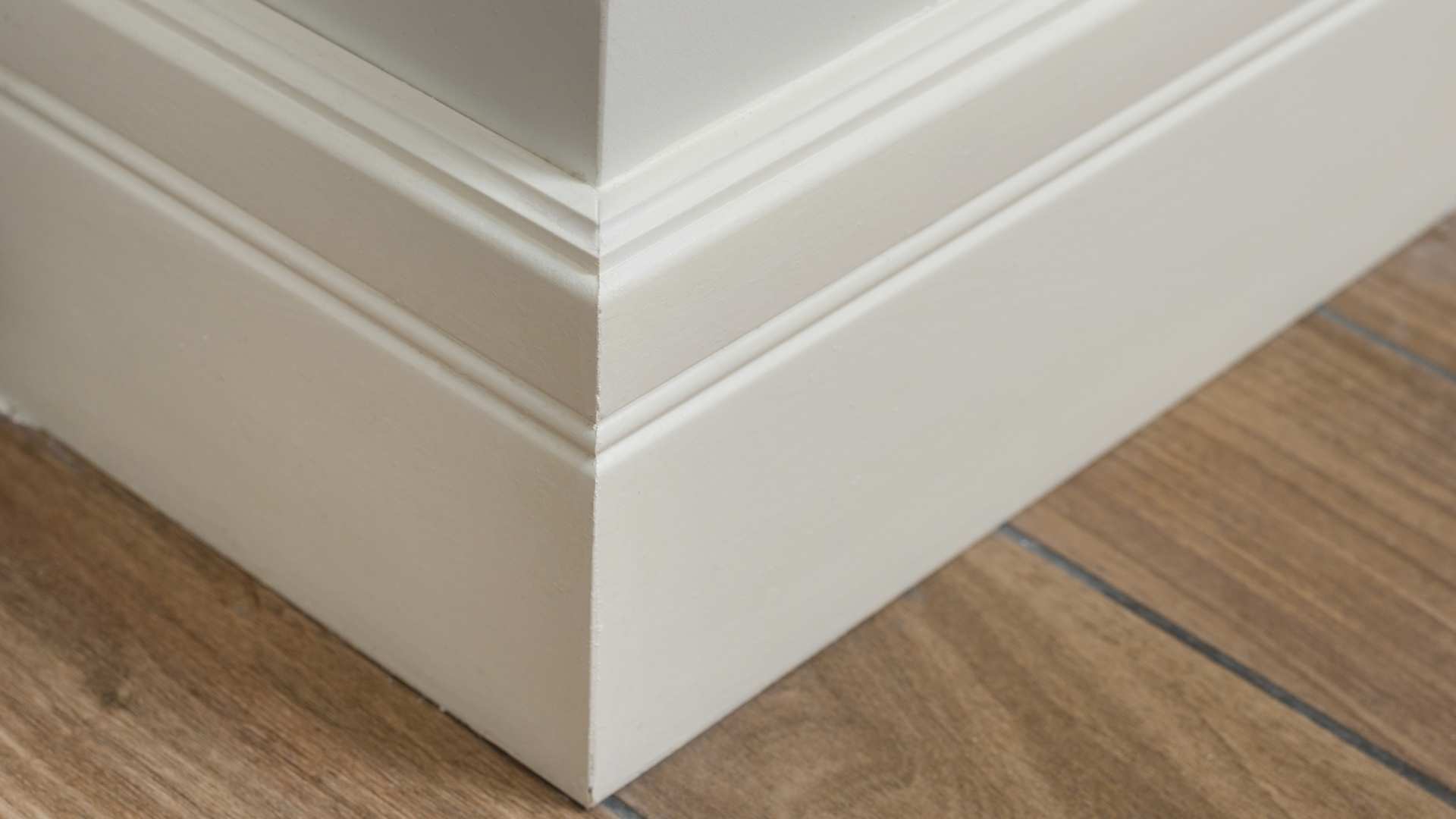
Natural Grain Suitable for Staining and Oiling
Visually, finger jointed pine offers a warm and natural timber grain that MDF simply can’t replicate. This makes it an excellent choice for staining or oiling, and it’s ideal for those looking to achieve a custom finish or a natural timber look. While it may carry a higher price tag than MDF, finger jointed pine is still an affordable timber option, especially for those who want the timeless appeal of wood without the premium cost of hardwoods.
If you are looking for a moulding option that offers strength, ease of installation, durability, and aesthetic appeal, finger jointed pine is perfect for the job. Bowens stocks and supplies a wide range of timber and MDF mouldings with options for almost every home design and style. Explore our range of mouldings, architraves and skirtings online from brands such as Easycraft, Period Timber and Porta, or drop into your local Bowens store today.
Bowens Benefits
A loyalty account that gets you 5% off every shop
Ready to sign up?
Already have an account?
Login hereTrade Account
Custom pricing, 30-day trade credit + more
Ready to apply?
Already have an account?
Login here