

The Role of Architraves in Interior Design
Architraves play a fundamental role in interior design, originally serving as architectural elements that frame doorways and windows. These decorative mouldings, deeply rooted in classical architecture, are essential in modern interiors for their aesthetics.
By framing an opening, architraves not only hide the seams between walls and fixtures but also enhance the visual appeal of a space. They introduce character and sophistication, completing the look of a room. The choice of architrave style can greatly affect the overall atmosphere and design impact, making them vital elements in new construction and home renovations.
What Are Architraves?
Architraves are decorative mouldings that frame door and window openings. Originally from ancient Greek and Roman architecture, they added elegance to structures and defined classical design. Today, architraves blend function and style, hiding the gaps between walls and structural elements while enhancing interior aesthetics.
These mouldings come in various materials, each with distinct qualities. Wood architraves bring a traditional, warm appeal but need regular upkeep to maintain their condition. MDF (medium-density fibreboard) offers a smooth surface perfect for painting and is cost-effective. Whilst MR MDF versions provide a moisture resistant alternative.
The choice of material can influence the room’s look, helping designers align architraves with the overall decor and ambience.
Enhancing Room Character with Architraves
Architraves not only serve a practical purpose but also significantly boost the aesthetic appeal of any room. By framing doors and windows and ensuring a consistent design throughout a space, they raise interior architecture from ordinary to exceptional.
Framing Doors and Windows
Architraves act as the finishing touch around doors and windows, creating a visually pleasing border that enhances the overall appearance. These mouldings draw the eye, providing a defined outline that can make architectural features stand out. By adding depth and structure, architraves contribute to a more refined and sophisticated space. Whether simple or ornate, the style of an architrave can dramatically alter the perception of an opening, making it a focal point or a subtle enhancement to the room.
Consistency and Flow in Design
Using consistent architrave styles throughout a home is key to achieving a harmonious interior. Consistency in design elements like architraves helps to unify different spaces, creating a seamless transition from room to room. This architectural consistency ensures that the home feels thoughtfully designed and cohesive.
Whether opting for a modern, minimalist look or a more traditional profile, maintaining uniformity in architrave styles reinforces the design theme and enhances the overall flow of the living environment, contributing significantly to the home’s aesthetic continuity.
Selecting Styles and Materials
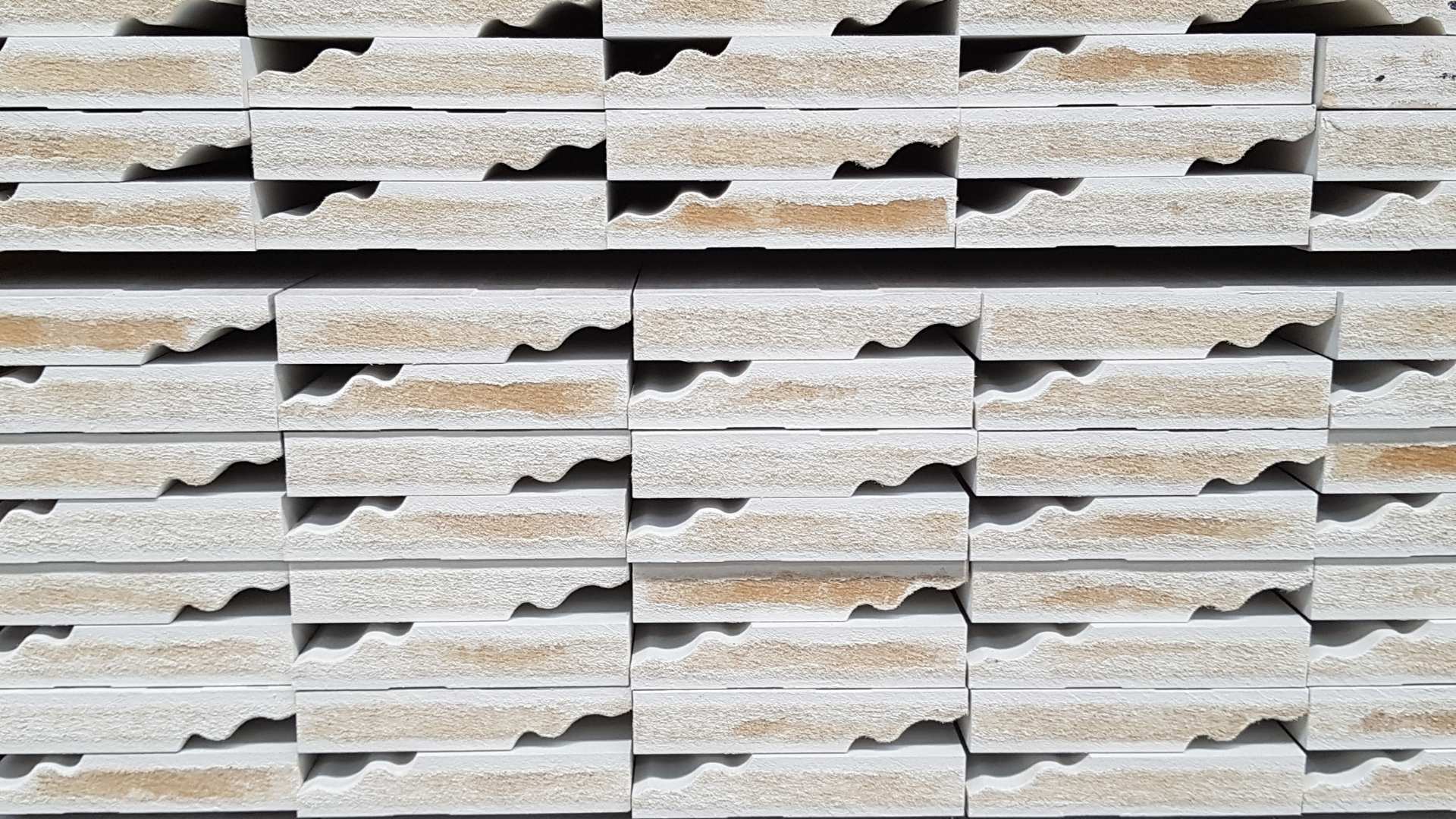
Choosing the right styles and materials for architraves is crucial in achieving the desired impact in your space. These decisions affect both the durability and the aesthetic appeal of the architraves, making it important to consider the specifics of each option.
Material Choices
When selecting materials for architraves, wood and MDF are popular choices, each offering unique benefits and limitations. Wood architraves bring a classic, warm look but require regular maintenance to prevent damage from moisture and pests.
MDF is cost-effective and offers a smooth finish that is easy to paint, though it is less durable and more susceptible to moisture damage. Moisture resistant (MR) MDF provides a level of protection against humid environments and is suitable for rooms such as laundries. Choosing the right material will depend on the specific needs of your project, including environmental considerations and budget.
Style Selection
Selecting the right style of architraves can significantly enhance the thematic coherence of a room. For a traditional look, choose architraves with more intricate mouldings and classic patterns. Modern interiors often benefit from sleek, minimalistic architrave designs that emphasise clean lines and simplicity.
Consider the overall design theme of your home when choosing architraves to ensure they complement rather than clash with your existing decor. Matching the architrave style to elements like door styles, skirting boards, and flooring can also help create a unified and polished look.
Bowens Range of Architraves
At Bowens, we understand that the right architraves can transform a simple room into a sophisticated space. That’s why we offer a diverse range of architrave styles and materials, designed to meet the unique needs of our customers. Whether you’re looking for something classic or contemporary, our selection covers a variety of designs to ensure you find the perfect match for your home.
Our knowledgeable staff are always on hand to provide expert advice and support, helping you make informed decisions about your design projects. Browse our website or drop by one of our local stores to explore our extensive architrave options.
Bowens Benefits
A loyalty account that gets you 5% off every shop
Ready to sign up?
Already have an account?
Login hereTrade Account
Custom pricing, 30-day trade credit + more
Ready to apply?
Already have an account?
Login here