

A Guide to Framing Timber Terms
The Types of Framing Timber Explained
Framing timber is typically used throughout the construction industry with pine being the most common species. This is due to its versatility, affordability and ease of use. In this article we discuss the differences between structural pine and non-structural pine and the terms used to identify the pine framing timber needed for the project.
What is Pine Framing Timber?
Pine timber falls under the category of softwoods (SWD), which comes from coniferous trees. Softwood pine timber is used for its straight grain, uniform texture, and versatility. Framing timber, in this case pine, is used to form the basic structure of a building.
What is the Difference Between Structural Pine and Non-Structural Pine?
- Structural Pine: Specifically graded for load-bearing applications, structural pine must meet high standards for strength and stiffness. It is used in wall, roof and floor framing, roof trusses, and floor joists. The grading ensures that the timber can safely support the required loads.
- Non-Structural Pine (merch pine): Used where strength is not a primary concern, such as propping, noggins and trims.
Pine Grade Strengths
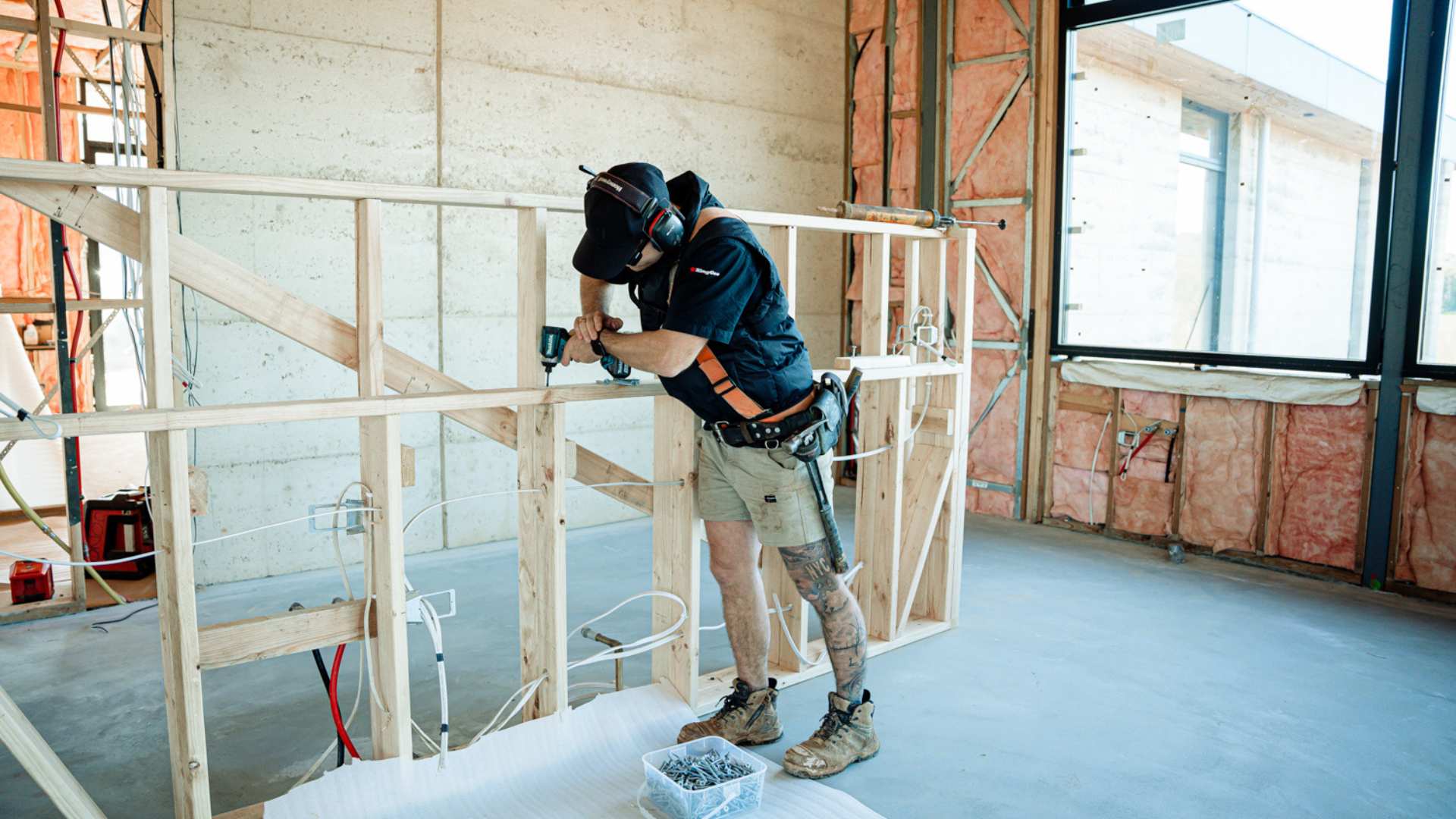
Framing timber is available in various strength grades, which are essential for ensuring the timber meets the performance standards for structural applications. The most common grades are MGP (Machine Graded Pine). MGP determines the stress grade of pine by mechanical methods.
- MGP10: Suitable for general framing purposes, MGP10 offers a good balance of strength and affordability
- MGP12: Offers higher strength than MGP10, making it suitable for more demanding structural applications
- MGP15: The highest strength grade commonly available, MGP15 is used in critical structural applications where maximum strength is required.
Treated Pine
Treated pine is essential for applications exposed to the elements or where enhanced durability is required. Various treatments and hazard levels ensure the timber’s longevity and resistance to decay, insects, and moisture.
- CCA (Copper Chrome Arsenate): A treatment providing effective protection against decay and insects. No longer used widely and has been restricted by the APVMA for use in applications where close human contact is a risk.
- ACQ (Alkaline Copper Quaternary): An environmentally friendly alternative to CCA, offering similar protective benefits without the use of arsenic.
- MicroPro: A newer treatment that uses micronized copper, providing enhanced environmental safety and performance.
- LOSP (Light Organic Solvent Preservative): Suitable for interior applications, LOSP-treated timber has minimal odour and handling concerns.
The hazard levels (H1 to H6) indicate the level of treatment and the suitability for different environments:
- H1 treated pine: Protection against insects for indoor, above-ground use.
- H2 treated pine: Suitable for indoor, above-ground use with added protection against termites.
- H3 treated pine: Outdoor, above-ground use, protected against decay and insects.
- H4 treated pine: Ground contact use, with enhanced protection against severe decay and insects.
- H5 treated pine: Suitable for in-ground use, offering protection against extreme decay and insect attack.
- H6 treated pine: Designed for marine environments, providing maximum protection against decay, insects, marine borers, and immersion in water.
Other timber terms used when describing framing timber include;
Checks or Splits: Separations along the grain caused by moisture loss and shrinkage during drying
Dressed: Timber that has been planed smooth on all four sides, often referred to as DAR (Dressed All Round). Dressed timber is used for visible applications where a smooth finish is desired.
End Split: A split occurring at the end of timber
Green Timber: Freshly cut timber with high moisture content, also known as unseasoned timber
Grain: Pine timber typically has a straight grain, but variations can occur, including wavy or spiral grain. The grain affects both the appearance and workability of the timber.
Knots: Natural features in timber where branches were once attached. The size, type, and distribution of knots can influence the strength and appearance of the timber.
Nominal Size: Initial sawn size of timber before dressing, typically larger than the finished dimension.
Rough Sawn: Timber that retains its rough texture from the initial sawing process. Rough sawn timber is typically used in structural applications where the finish is not critical.
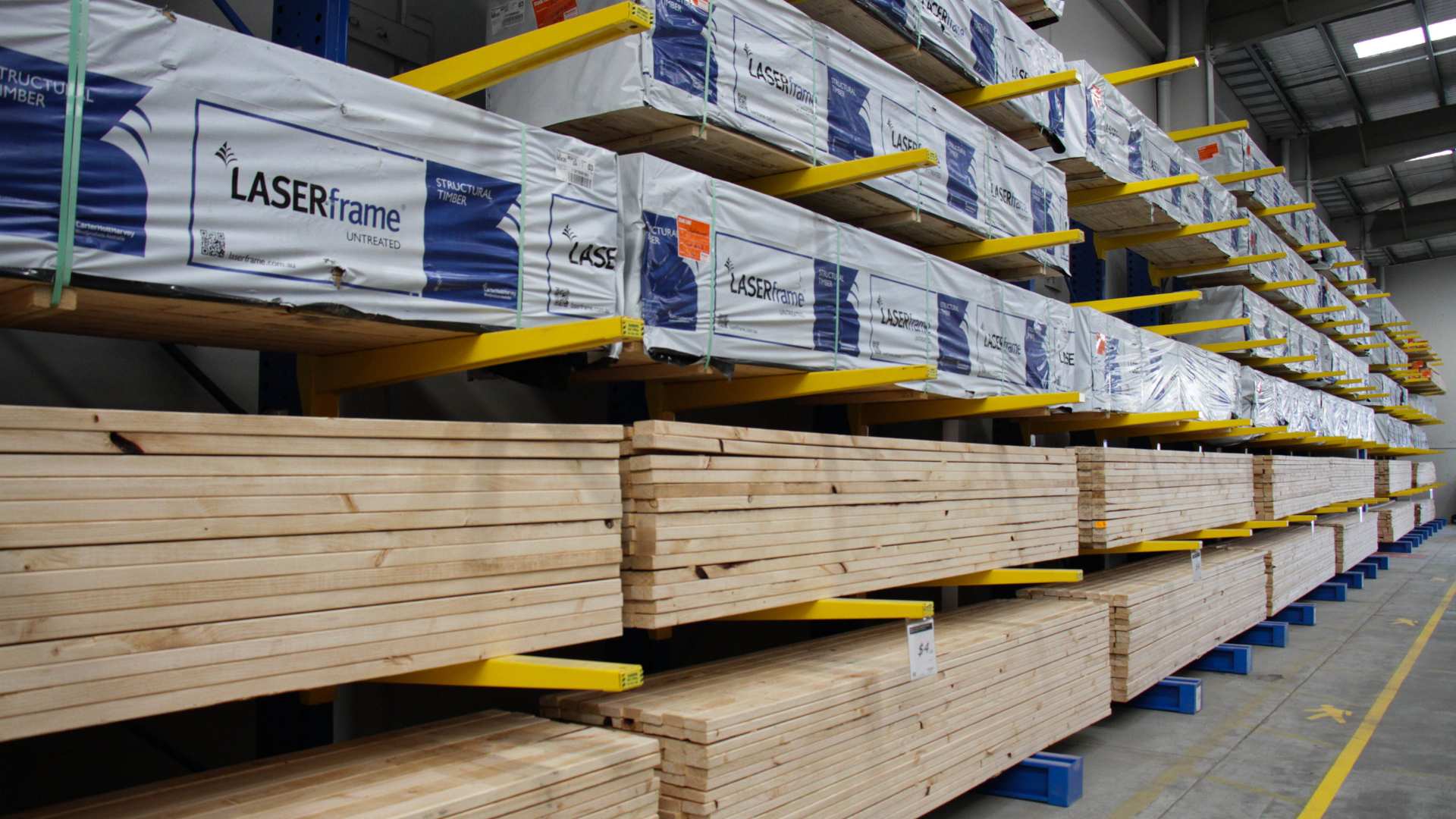
Bowens Framing Timber Range
Bowens is the leading supplier of framing timber across Melbourne and regional Victoria. For a wide range of pine framing, treated pine and non-structural timber, explore Bowens extensive range of timbers online and in-store.
Bowens Benefits
A loyalty account that gets you 5% off every shop
Ready to sign up?
Already have an account?
Login hereTrade Account
Custom pricing, 30-day trade credit + more
Ready to apply?
Already have an account?
Login here