

Composite Cladding: Is it Better than Traditional Materials?
Why Choose Composite Cladding?
Traditionally, materials such as timber, brick, concrete and stone have been used for wall cladding. However, composite cladding has provided an alternative that offers a wide range of advantages over these conventional materials.
Let’s break it down.
Understanding Composite Cladding
Composite cladding is engineered from a blend of wood fibres, recycled plastics, and bonding agents. This combination results in a material that looks like natural timber yet offers enhanced durability and reduced maintenance requirements. The composition can vary among manufacturers, but the goal remains the same: to produce a cladding material that outperforms traditional alternatives.
Advantages of Composite Cladding
If you’re considering composite cladding, below are the key benefits:
- Durability and Longevity: Resistant to rot, warping and splintering
- Low Maintenance Requirements: Does not require regular staining or painting
- Resistance to Pests: The components in composite cladding make it inedible to insects
- Weather Resistance: Withstands weather conditions like prolonged exposure to sunlight and moisture
- Ease and Speed of Installation: Often featuring interlocking panels that simplify the process and reduce labour costs
- Variety of Colours: A range of colours and finishes available to suit most aesthetics and styles
- Environmental Considerations: Manufactured, in most cases, using recycled plastics and timber.
Traditional Cladding Materials
Traditional cladding materials have their own set of characteristics, benefits and drawbacks:
Timber Cladding: Offers a natural and warm aesthetic and is often regarded as the premium choice. However, it is susceptible to rot, insect infestations, and requires regular maintenance to preserve its appearance and structural integrity.
Brick or Stone Cladding: Known for their durability and classic appearance, brick and stone have excellent durability and insulation qualities. However, these materials are heavy, can be expensive, and often involve higher labour costs for installation.
Concrete Panels: They provide a modern look and are relatively cost-effective. They offer good durability but can lack the versatility in design that other materials provide. Plus, they require render and painting and can often look worn if not maintained.
Is Composite Cladding Right for Your Project?
When deciding whether to use composite cladding, consider the following factors:
Architectural Style: Ensure that the cladding material complements the overall design and style of the building. A new modern or contemporary home might be the perfect fit for composite cladding, however a traditional home renovation might require timber cladding to blend into the existing design.
Initial Cost: While composite cladding may have a higher upfront cost compared to some traditional materials, its low maintenance requirements and durable finish can result in cost savings over time.
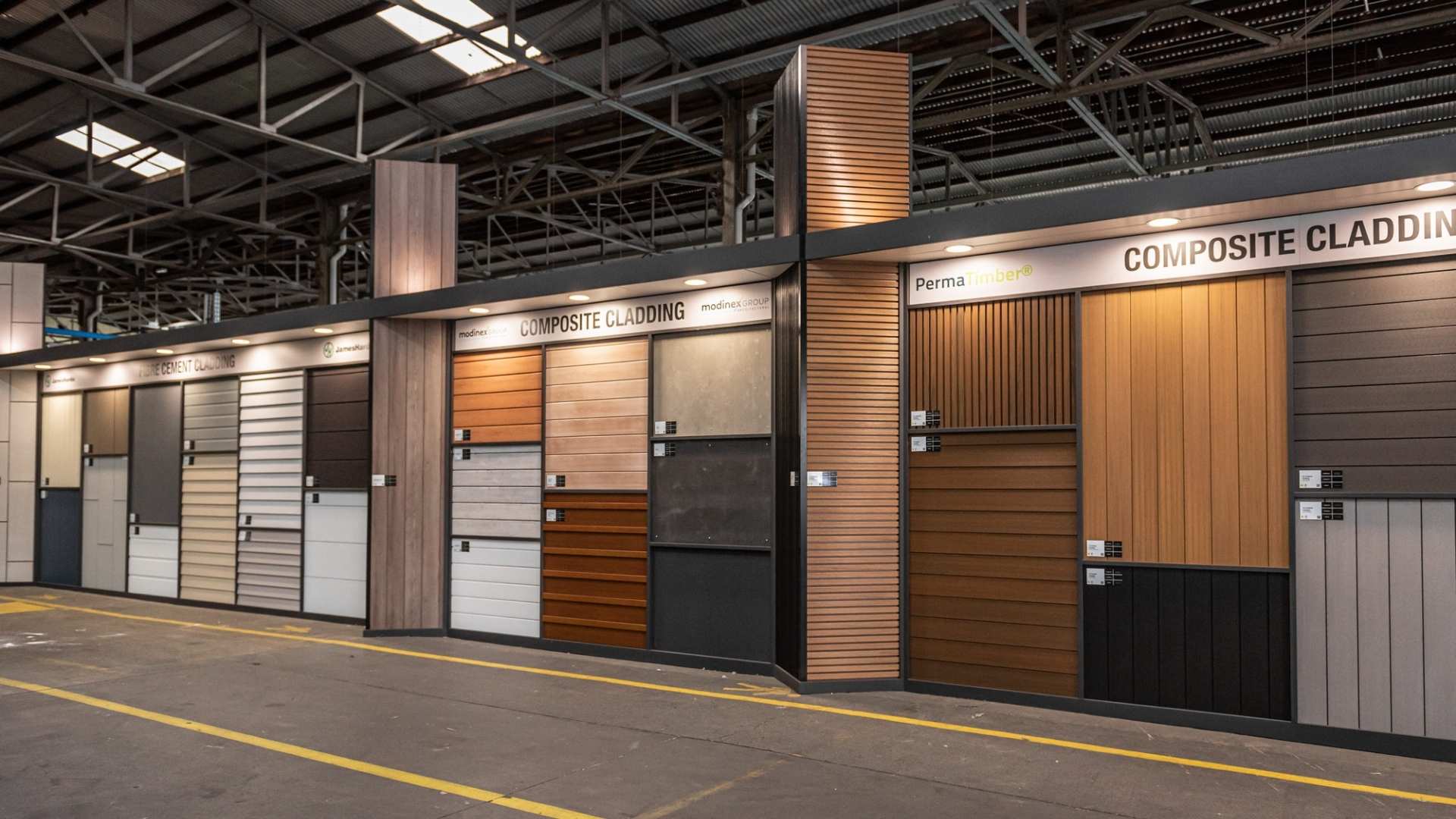
If you’re looking for quality composite cladding for your next project, explore our range online. We also stock and supply a wide range of timber cladding, weatherboards, fibre cement cladding and shiplap cladding, online or visit our cladding display at a Bowens store near you.
For cladding advice and insights, visit our blog for more information.
Bowens Benefits
A loyalty account that gets you 5% off every shop
Ready to sign up?
Already have an account?
Login hereTrade Account
Custom pricing, 30-day trade credit + more
Ready to apply?
Already have an account?
Login here