

Engineered Timber Flooring Installation: Which Method Should You Use
Engineered Timber Flooring Installation
When it comes engineered timber flooring installation, it is important to choose the right method to suit the project. Two popular methods of installation are direct stick and floating floor. Each has its own advantages and disadvantages, making it important to weigh up your options carefully before making a decision. So, which installation method should you use?
Direct Stick Flooring Installation
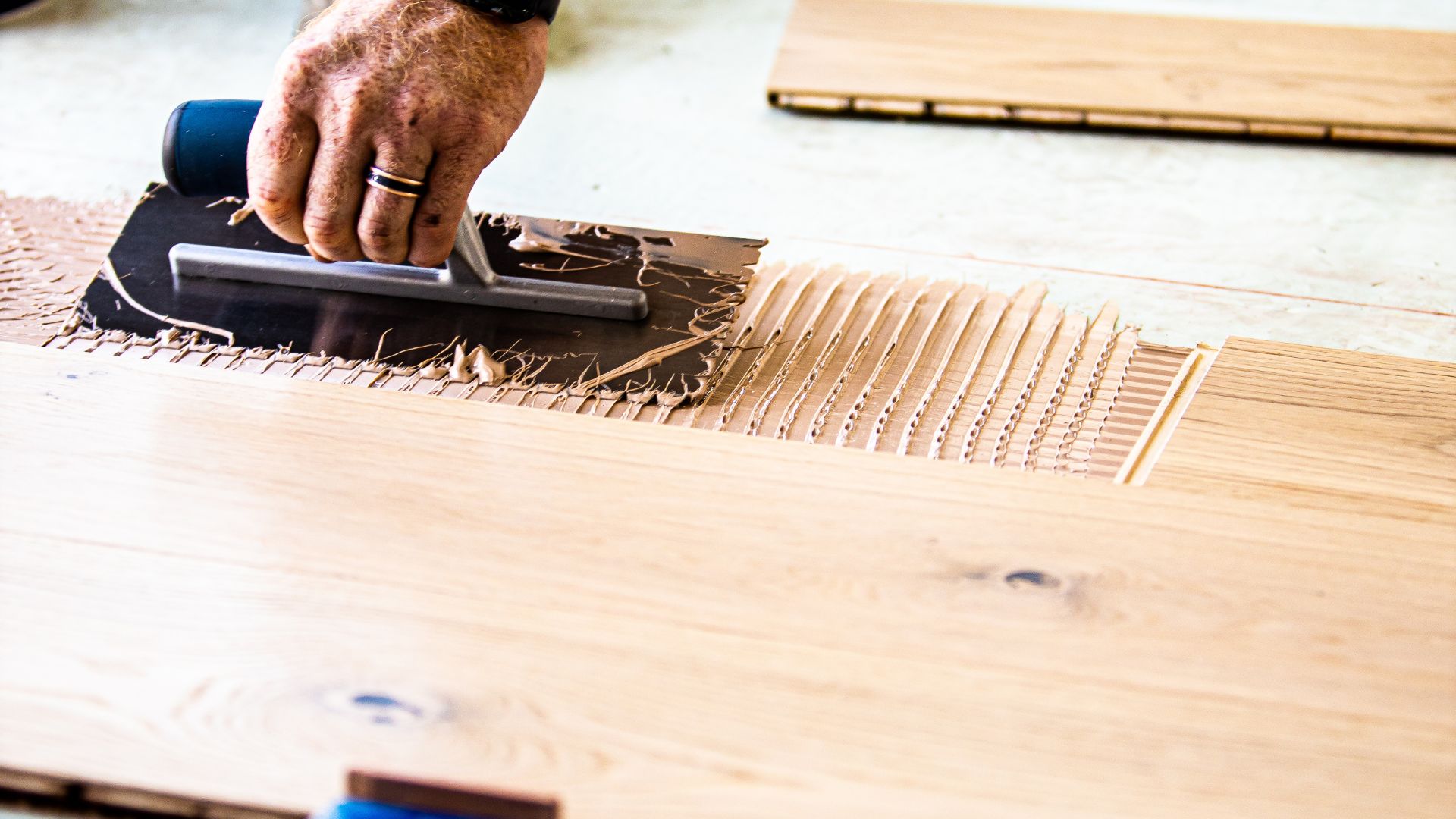
The direct stick method is the most common way to install engineered timber flooring. In this method, the floorboards are glued directly to the concrete, sheeting or existing timber substrate. The boards are locked into place with the engineered timber flooring tongue and groove system, while the glue holds them firmly to prevent movement.
One of the main advantages of the direct stick method used for engineered timber flooring installation is that it provides a finished floor that looks and feels like real timber. Additionally, the glued-down boards are more resilient and do not move or produce a hollow sound when walked on. This method also allows for the floor to be sanded and polished, depending on the type of board used.
However, there are some downsides to the direct stick method. It requires the expertise of a flooring installer or carpenter, and the surface or substrate needs to be carefully prepared to ensure that it is level. Once the flooring is installed, it can be extremely difficult to replace timber boards without causing damage to the surrounding floorboards.
Floating Floor Flooring Installation
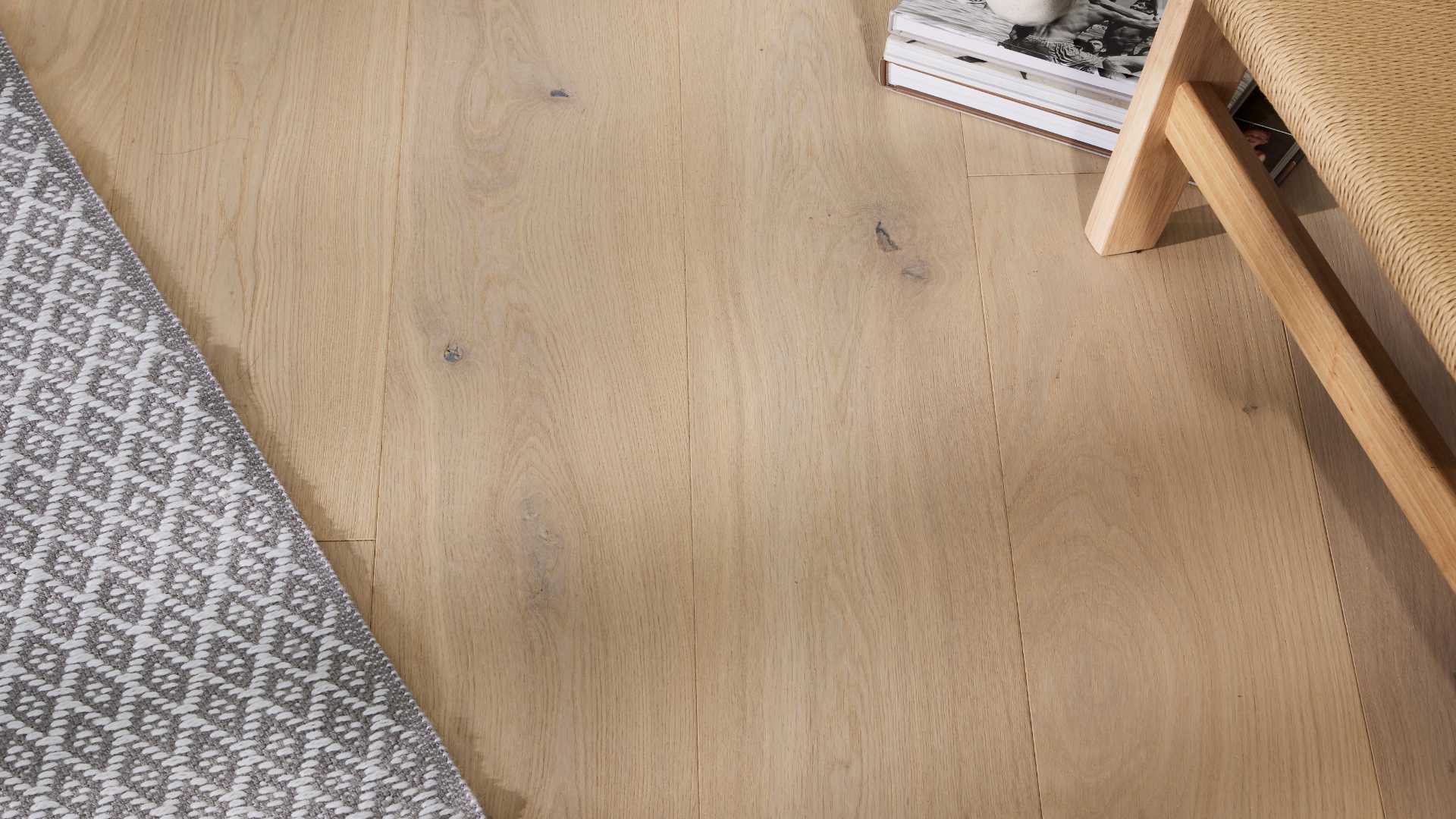
The floating floor installation method offers a cheaper and easier alternative to direct stick installation. In this technique, the engineered timber floorboards are not fixed down at any point. Instead, underlay is rolled out onto the subfloor, with the moisture barrier side facing downwards. The boards are then laid on top of the underlay and locked into place with the tongue and groove system, making for a quick and easy installation process.
One of the main advantages of the floating floor method is that it requires less preparation of the substrate, as the floor does not need to be perfectly level, saving time and money. Additionally, if a board becomes damaged, it can be easily pulled up and replaced or repaired.
Yet there are some drawbacks to the floating floor engineered timber flooring installation method. Because the boards are not glued down, they can move underfoot, which can create a hollow sound when walked on. Additionally, floating floorboards cannot be sanded or polished, so their lifespan may be shorter compared to floors installed using the direct stick method. Finally, the underlay used in floating floor installations can make the floor more susceptible to moisture damage, potentially costing more in the long run.
Where would you use floating floors? They are common in high rise apartment buildings, high traffic areas of commercial buildings, where you need a cost-effective solution and where the flooring is temporary.
Bowens Engineered Timber Flooring
Both direct stick and floating floor installation methods have their own set of advantages and disadvantages. Ultimately, the best method will depend on the budget, the condition of the subfloor, and the long-term plans for the flooring.
For a wide range of engineered timber flooring sizes, colours and finishes, explore Bowens website for flooring options suitable for your next project. Alternatively, visit our Circa Showroom for flooring samples, advise and technical information.
Bowens Benefits
A loyalty account that gets you 5% off every shop
Ready to sign up?
Already have an account?
Login hereTrade Account
Custom pricing, 30-day trade credit + more
Ready to apply?
Already have an account?
Login here