

External Cladding: How to Protect Your Home Against Water Ingress
External Cladding: How to Protect Your Home Against Water Ingress
External cladding not only serves as aesthetic appeal, it shields the home from the elements, provides insulation and reduces heat transfer. More importantly, external cladding provides a watertight finish, protecting the home from water ingress. Water damage can lead to a range of issues, from structural damage to mould growth. In this blog, we discuss how to protect your home against water ingress when it comes to external cladding.
Install Wall Wrap
A crucial step in protecting your home against water ingress is the installation of a reliable wall or building wraps. A building wrap is a moisture barrier preventing water from seeping into the insulation, wall framing or internal lining of the home. Without this wrap moisture buildup can cause water stains, damp, rot and mould that can be costly to fix and may cause health issues in the long term. When selecting a wall wrap, ensure it meets industry standards and is compatible with the external cladding you are using.
Effective Drainage
Effective drainage is essential to prevent potential water damage to the home. External claddings are used in conjunction with flashings and cladding accessories to redirect moisture or water away from the home. Diverting water and moisture is important at floor level and above window and door openings to ensure a watertight cladding system. There is a wide range of external cladding options available, and each has differing methods to allow for drainage. For this reason, it is important to refer to technical information provided by the manufacturer or the Australian Standards.
Comply with the Guidelines
Ensure external cladding installation complies with the BCA guidelines, Australian Standards and manufacturers installation guidelines. This is a fundamental requirement. Failure to meet these guidelines may compromise the cladding and its ability to withstand water ingress. It will also void any related warranties. Building works that do not comply with regulations and guidelines will not be certified by a building surveyor or building certifier.
Always refer to the BCA and Australian standards if unsure and seek guidance from the manufacturer if their installation guidelines are unclear.
Regular Maintenance
It may seem like a no-brainer, but when timber cladding is not maintained it can lead to moisture and water ingress. Timber cladding needs to be sealed appropriately, including the ends of the boards. It is a good idea to pre-coat the timber prior to installation to provide extra protection. Regularly check external cladding for signs of wear and tear to address them before they become a problem.
Bowens offers pre-coated timber services to provide all-round protection and save time and money onsite. If you are interested in pre-coated timber cladding, speak to our friendly staff in-store.
Choosing External Cladding
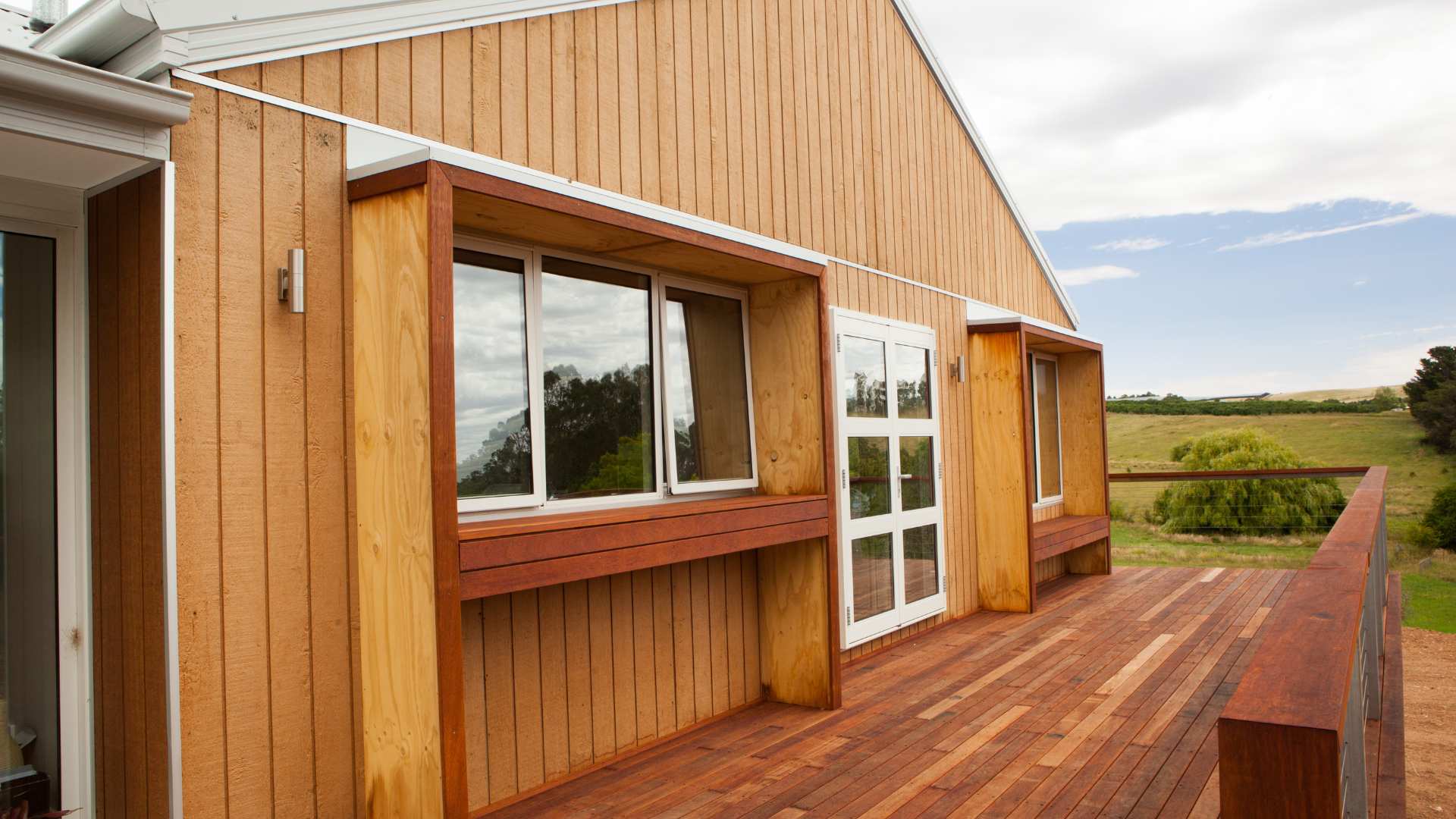
Bowens supplies a wide range of quality external cladding to help you choose the right cladding for the project. If you want to know more about our cladding range, explore our external cladding online or drop into one of our conveniently located stores across Melbourne and regional Victoria.
Bowens Benefits
A loyalty account that gets you 5% off every shop
Ready to sign up?
Already have an account?
Login hereTrade Account
Custom pricing, 30-day trade credit + more
Ready to apply?
Already have an account?
Login here