

How to Prevent Tannin Bleed Onsite
What You Need to Know About Tannin Bleed
If you’ve ever built a timber deck and seen reddish-brown stains running down the concrete or across the render, you’ve seen tannin bleed in action. It’s a common issue that can catch even experienced tradies off guard if not properly planned for.
Tannin bleeding, also known as timber leaching, occurs when water-soluble compounds, called tannins, are drawn out of the timber by moisture. These compounds are naturally present in most hardwoods, particularly in species like Merbau, Blackbutt, and some types of eucalypts. When rain or irrigation water comes into contact with the timber, the tannins are released and can cause significant staining on nearby surfaces such as concrete, pavers, tiles, and painted walls.
Why Tannin Bleed Happens
Tannins are part of a group of compounds known as polyphenols. In green or unseasoned timber, these compounds are more active and abundant. Years ago, builders used rough-sawn hardwood that was cut fresh from the mill, “green off the saw,” which bled heavily due to the high tannin content. Now, kiln-dried timber is widely used, offering better stability and reduced leaching potential, but tannin bleeding can still occur without the right preparation.
Timber Species and Tannin Levels
Some hardwoods are more prone to bleeding than others. For example:
- High tannin: Merbau, Blackbutt, some eucalypts
- Low tannin: Ironbark, Spotted Gum, Cumaru
Understanding the tannin content of your selected timber is the first step in managing leaching risks.
“Leaching, bleeding and staining
from timber tannins is not to
be underestimated.”
How to Minimise Tannin Bleed (Timber Leaching)
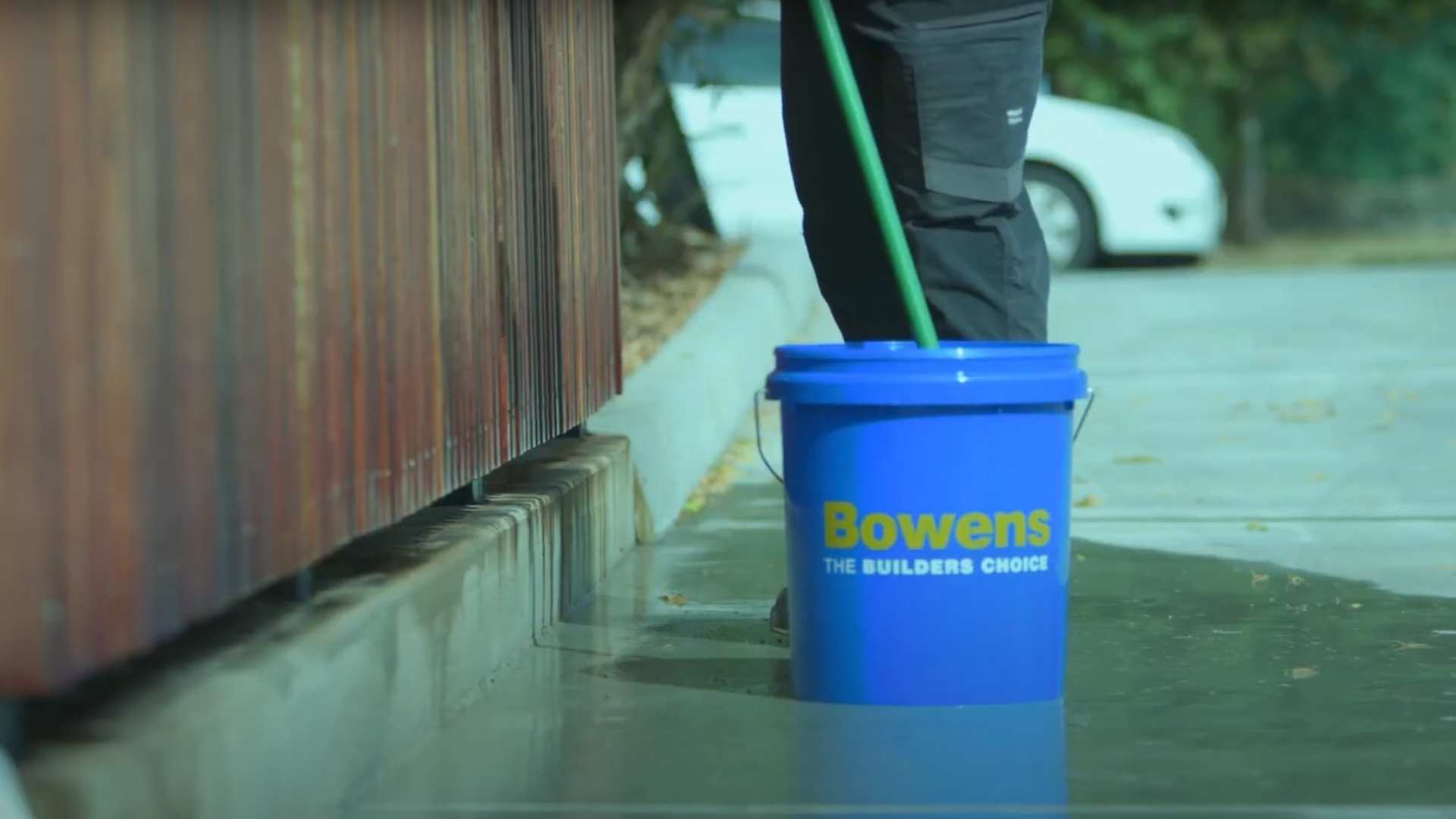
To prevent staining and avoid call-backs, follow these best practices:
- Pre-wash decking timber with a cleaning solution that contains oxalic acid. This draws out excess tannins before installation
- Fully coat decking boards on all sides. Sealing the timber helps lock in tannins and prevent water from penetrating the grain
- Use tannin-blocking primers when painting or staining high-extractive timbers
- Design for drainage—allow water to run off into soil or grass where stains won’t be visible
- Plan for maintenance. Even the best decking oils and coatings will eventually break down under UV exposure and foot traffic, which reopens the timber to moisture and leaching.
Tannin bleed is typically short-term and is most active in the early months of exposure. However, you may want to leave the timber raw over winter to leach out but ensure there’s no concrete or paving surrounding the deck. Once the tannin bleed slows, you can clean and coat the timber decking to prevent further issues.
To help prevent leaching, consider investing in pre-coated timber and ensure the coating is maintained. The break down of the coating from UV exposure and wear and tear can allow moisture back into the timber, causing more leaching. One option is to factory-coat the timber with Intergrain Universal Oil from Bowens using our pre-coated timber service.
At the end of the day, prevention is far easier than correction. If you’re working with timber known for high tannin content, always take steps to manage leaching early. You’ll save your client the hassle and save yourself the headache of a callback.
For more information on timber decking maintenance, check out our other blogs or get in touch with the Bowens customer service team at your local store today.
Bowens Benefits
A loyalty account that gets you 5% off every shop
Ready to sign up?
Already have an account?
Login hereTrade Account
Custom pricing, 30-day trade credit + more
Ready to apply?
Already have an account?
Login here