

How to Prevent Timber Issues Before They Start
Common Timber Mistakes and How to Avoid
Over many years of inspecting timber installation problems, I have concluded that many specifiers don’t understand basic timber principles and how some timber species are more appropriate than others in any given situation.
Here are some timber problems I’ve come across recently.
Unseasoned Timber
Unseasoned timber contains a high moisture content. As it dries naturally, this moisture can lead to shrinkage, cracking, and possible twisting, particularly in large sections. I’ve seen unseasoned timber specified based on structural performance, even for internal applications where the visual finish is important. In one case, unseasoned timber was specified for large internal beams, but a replacement was ultimately needed—most likely a recycled product that had seasoned over time.
At Bowens, we’re familiar with most commercial timbers and can reference their shrinkage and durability rates. From experience, we know that Merbau, for example, is more stable than many structural Australian species. For large-section timbers where appearance matters, we recommend using a seasoned or recycled product.
Timber Treatment Levels
Many mistakenly believe that H4 treatment is sufficient for treated pine used in structural in-ground applications. I recall a case where a building inspector rejected standard H4-treated posts. The Standard is clear, if the treated product is a critical structural member, it must be H5 treated pine. Even something as simple as a 90x90mm front porch post qualifies as a critical member and should be H5.
H4 is suitable only when in-ground members are not structurally critical—for example, a free-standing pergola. Many of our branches now stock laminated H5 posts, including sizes from 88x88mm up to 135x135mm. There are six hazard treatment levels, and we can advise on the appropriate level for any application.
Timber Decking and Timber Cladding
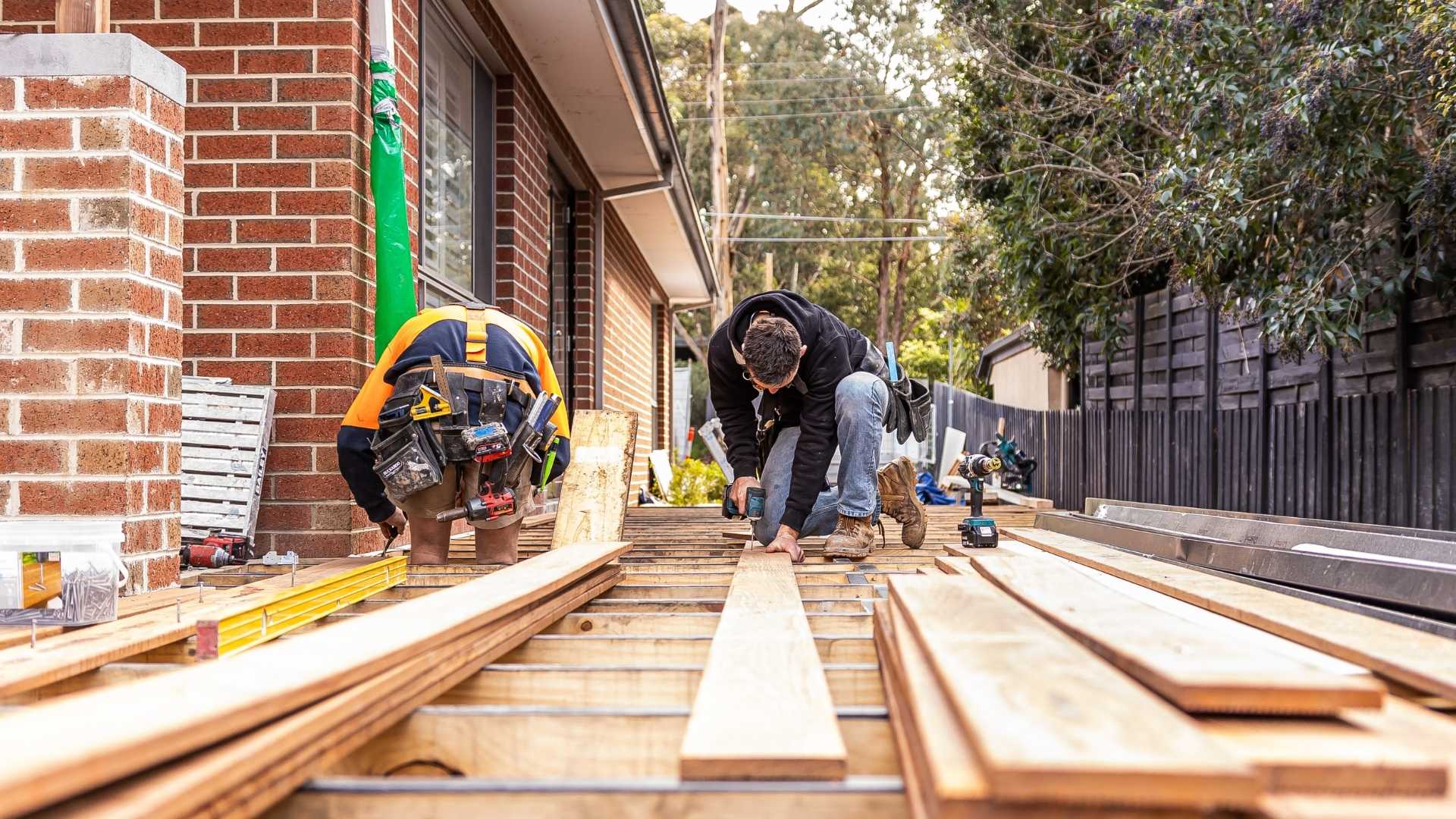
Both these products are exposed to external elements. During construction, it’s important to allow for expansion—especially in the winter months. I’ve seen many cases where insufficient gap spacing was allowed for timber decking, or where no gap was provided between timber cladding boards. This can lead to board crushing and/or warping during colder months.
Merbau decking or composite decking are my preferred options for board stability when onsite conditions aren’t ideal. Choosing a narrower cladding board can also help minimise expansion.
Our suggested installation guidelines for both products available.
Timber Coatings
Moisture gain or loss can often lead to post-installation rectification work. A good quality oil-based coating helps seal the wood cells of both decking and cladding, reducing moisture movement. When applied correctly, this type of coating can significantly minimise board movement after installation. We recommend a primary factory pre-coated timber (which we can provide) before installation, followed by a final top coat after installation. The initial pre-coat should be applied to all faces of the product.
I recall a situation where a good client, against my advice, chose to apply the coating on site by hand. When we next spoke, he said: “Never again, turning boards upside down and all that, has got whiskers on it.”
Painted Timber Weatherboards
I always recommend using a light colour. Why? Because light colours reflect sunlight, while dark colours absorb heat, which can “cook” the timber underneath and cause unwanted shrinkage.
I also advise painting the boards in their finishing coat colour before installation. That way, if shrinkage occurs, the exposed areas still match the final colour—rather than revealing a contrasting primer like pink.
Timber Floorings
At Bowens, we’re aware that most building complaint agencies report timber flooring issues as one of the most common problems. Given that most flooring substrates are concrete slabs, we can provide advice on how to correctly install a timber floor over concrete. In addition to ensuring floor flatness, it’s crucial that the slab is completely dry.
A moisture membrane is typically applied to prevent moisture from migrating up into the timber. Some modern adhesives now include a moisture barrier, but even then, the slab should be relatively dry before installation. In conventional timber floors, sub-floor ventilation is also a key factor in avoiding future issues.
Regardless of the substrate, many other elements can affect the performance of a timber floor such as excessive air-conditioning, heating, direct sunlight, and the hardness of the timber species.
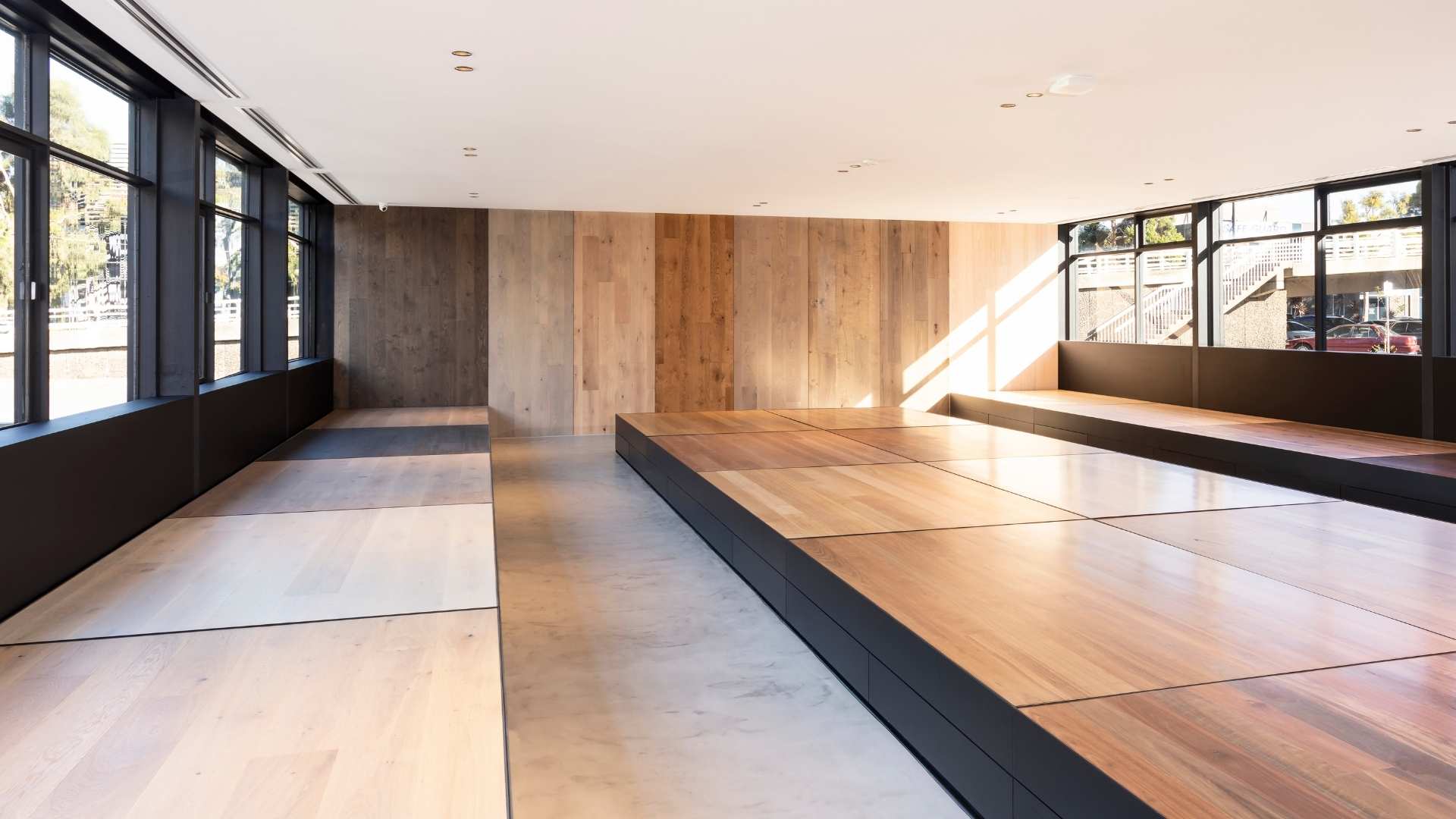
Our flooring display at our CIRCA showroom in Port Melbourne displays a comprehensive range of solid timber flooring and engineered timber flooring for you to explore.
Treated Pine Sleepers
As treated pine sleepers often contains a high proportion of untreatable heartwood, we always recommend it for non-structural applications. If you’re using it for a garden retaining wall, line the back of the boards, where soil is backfilled, with 200UM plastic to help protect the timber.
Also, keep in mind that retaining walls over one metre in height require a building permit. In these cases, the timber should have a high durability rating and be installed with proper drainage.
Feel free to contact me on 0412 550 740 for any customer advice.
Bowens Benefits
A loyalty account that gets you 5% off every shop
Ready to sign up?
Already have an account?
Login hereTrade Account
Custom pricing, 30-day trade credit + more
Ready to apply?
Already have an account?
Login here