

Improving the Service Life of Your In-Ground Timber Posts
White Cypress Pine, Treated Pine & Hardwood Posts
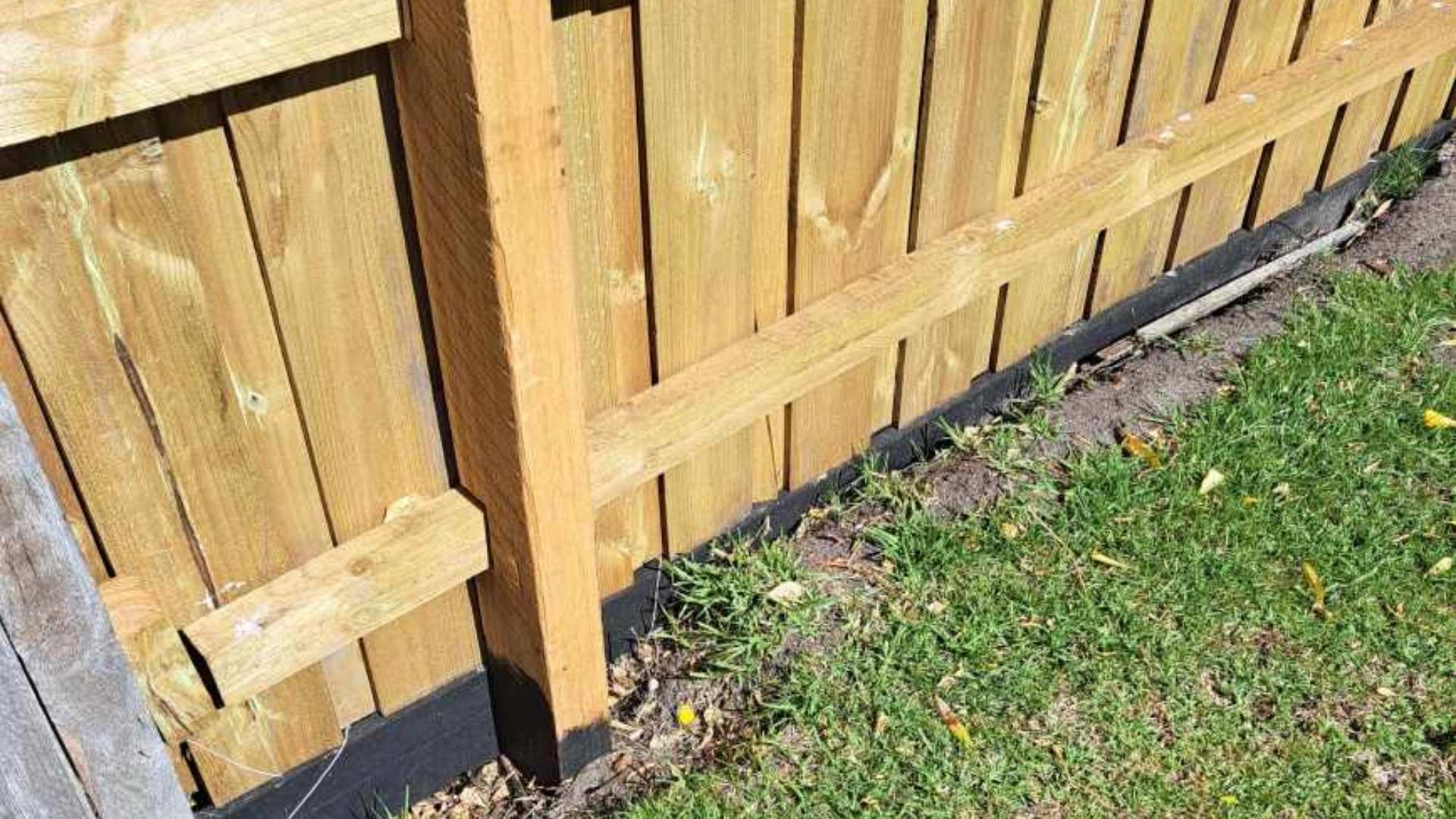
Recently I decided to replace part of my side timber paling fence. The timber posts had decayed to a point where I could easily push the fence sideways. An ivy plant was growing over it probably helping it stay upright.
Interestingly, it was the second time a replacement was required in that area of the fence. The first time was just over 15 years ago. In affect the Cypress Pine posts had lasted just over 15 years. Not that great, however I referred to the Australian Standard AS 5604—2005 Natural-Durability Ratings. According to the book, Wood in Australia, White Cypress has an in-ground rating of class 2 with a probable life expectancy of 15 years to 25 years. Yet the notes within the Australian Standards are quite clear: the ratings are purely based on the heartwood on all species, the non-durable sapwood is not included.
White Cypress Pine Posts
This is particularly relevant with Cypress Pine because it is generally not harvested from a large tree and the sapwood is usually present in most post sizes. That said, most reputable Cypress producers aim to ensure that there is at least 90% heartwood in post sizes. However, this may only be present in one end.
Treated Pine Posts
Readers should be aware of the shortcomings of the standard 90×90 Treated Pine post. Firstly, it can contain some largely untreatable heartwood. The heartwood cells are full of extractives that generally do not allow the desirable treatment solutions to penetrate. Accordingly, treated pine producers should aim to have no more than 20% heartwood at one end of the post.
The other important thing to know is the standard 90×90 pine post is treated to only H (hazard level) 4. The appropriate Australian standard stipulates that treated pine posts used in structural situations should be H5. Many of our branches are currently stocking laminated H5 treated pine posts and in my opinion, it is a terrific product. The standard 90×90 pine post should be used for non-critical structural situations like pergolas.
Note: Larger sizes are usually laminated.
Durable Hardwood Posts
Hardwood posts should have an inground rating of least class 2, preferably class 1. Sizes up to 150×150 ideally should be free of heart centre. If lengths go past 4 metres, hardwood post straightness is generally a problem.
Accordingly, large sizes or long lengths are better supplied as boxed sound heart.
Suggestions to Enhance Timber Post Longevity
Cypress Pine Posts: As a matter of course, inspect each end so the end with most heartwood goes in the ground. The heartwood is generally a much darker colour.
Treated Pine Posts: Inspect the standard 90×90 treated pine post so the end with the least heartwood goes in the ground. The heartwood is usually a light green colour, whereas the treatable sapwood is usually a deep green colour.
Durable Hardwoods: Ensure there is no sapwood or cracked ends.
Bitumen Paint: This product acts as a waterproofing agent. Accordingly, in all the above I suggest a thorough coating of bitumen paint for the part of the timber posts that are going in the ground. If it is a critical situation, I suggest two coats of bitumen paint.
In my experience I have painted the plinth as well. This is because the plinth is only treated to H3 (not suitable for in-ground use) and therefore not suitable for in-ground contact.
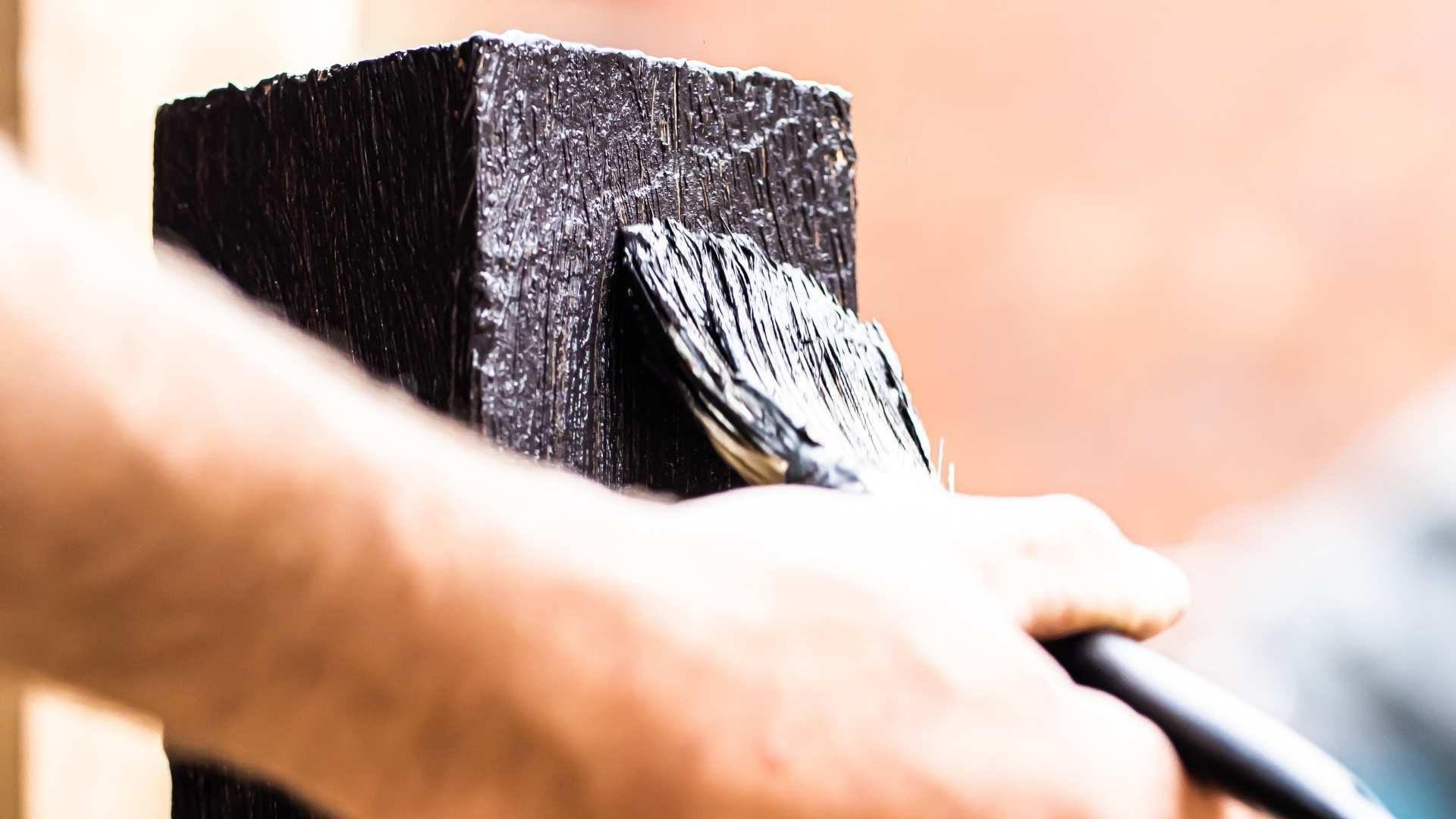
On reflection, I believe if I had used the above suggestions my recent timber fence replacement could have been avoided.
Bowens Benefits
A loyalty account that gets you 5% off every shop
Ready to sign up?
Already have an account?
Login hereTrade Account
Custom pricing, 30-day trade credit + more
Ready to apply?
Already have an account?
Login here