

Metal vs Timber Door Frames
What’s the Right Fit for Your Project?
Door frames play an important role in supporting doors, ensuring structural integrity, and providing a clean, professional finish. For builders and trades, selecting the right door frame is key to ensuring long-term performance on site.
Both timber and metal door frames are widely used across Australian residential and commercial builds. Timber is often preferred for its traditional look and ease of installation and modification, while metal is known for its strength and resistance to termites. But which one is right for your next job?
Timber Door Frames
Pros:
Timber door frames are easy to cut and customise onsite, which makes them ideal for residential projects and renovations where retrofitting is required. Timber provides thermal and acoustic insulation—great for maintaining comfort and reducing noise. Minor damage or dents can usually be sanded back or filled when using timber frames, making repairs straightforward.
Timber door frames also offer visual appeal. Timber frames can be oiled, stained, varnished or painted to match doors or the existing interior design.
Cons:
Timber door frames require ongoing maintenance. Without proper treatment, it can be prone to warping, moisture damage, or termite attacks. It’s not always suitable for wet zones or fire-rated builds unless it’s specially treated to meet NCC requirements.
Metal Door Frames
Pros:
Metal door frames are built for durability. They’re commonly used in commercial and high-traffic environments thanks to their strength and resistance to moisture, termites, and rot. Many commercial metal door frames are fire-compliant, making them a reliable choice for apartments, schools, hospitals, and public buildings. With a clean, modern finish, they also complement industrial or minimalist design aesthetics.
In a residential setting, metal door frames resist rot, wrapping, splintering, termites and moisture. Perfect for high-traffic areas, they resist impact and require minimal maintenance.
Cons:
On the downside, metal door frames are less forgiving during installation as they usually require precise measurements and are harder to adjust onsite. They are also harder to replace.
If used in wet areas, metal door frames can rust and if hit with enough force, they can dent.
Which Is Best for Your Build?
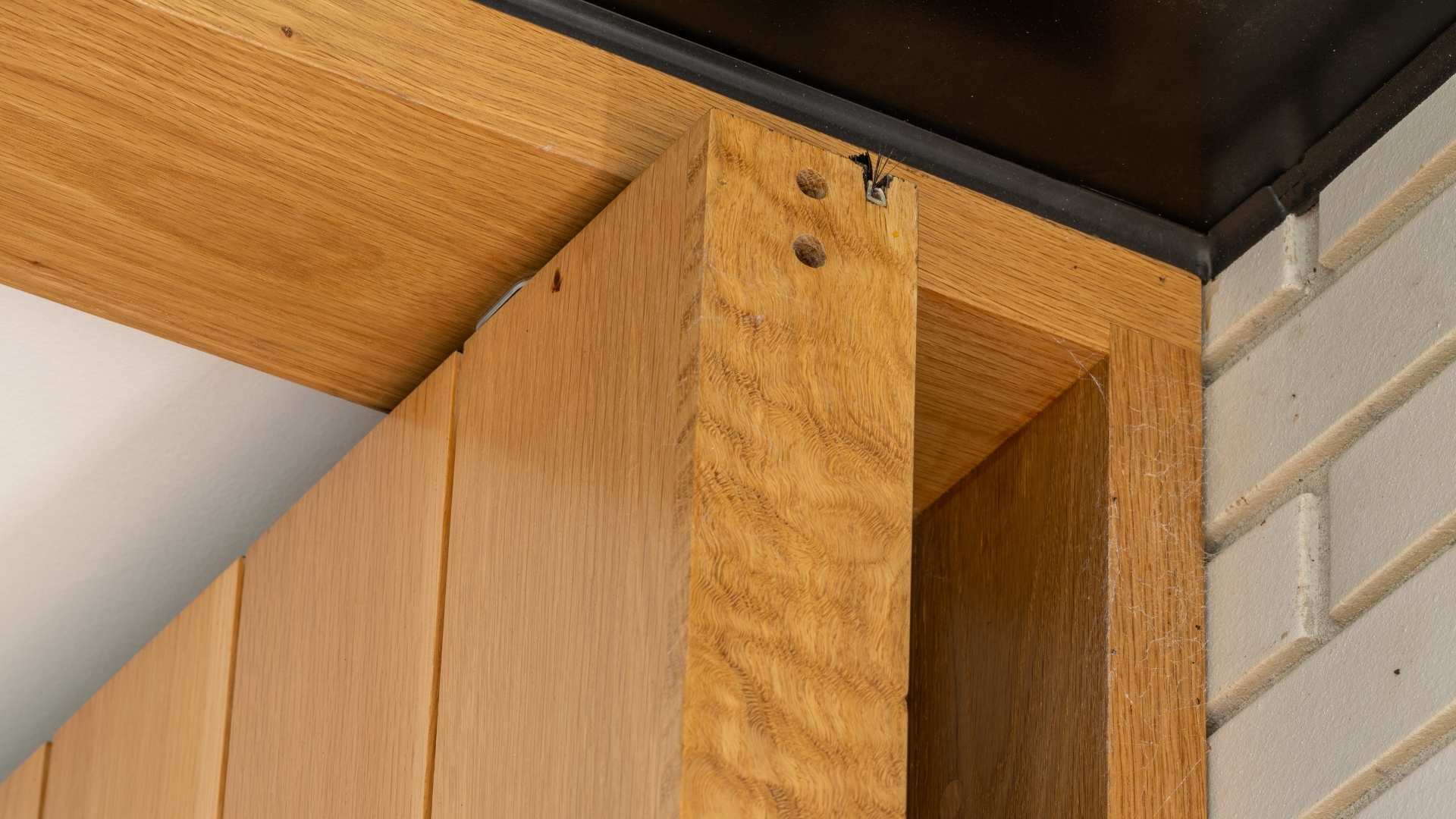
For single-dwelling residential homes, timber is usually the go-to for its flexibility, ease of installation and ability to easily replace if damaged.
In contrast, metal is better suited for multi-residential, commercial, and public projects where durability, fire compliance, and resistance to wear and tear are important.
Ultimately, your choice comes down to performance and cost.
Explore the Bowens Door Frame Range
Whether you’re after timber door frames or metal door frames, Bowens has a solution for every project. Browse our door frame range online or visit one of our conveniently located stores in Melbourne or regional Victoria today.
Bowens Benefits
A loyalty account that gets you 5% off every shop
Ready to sign up?
Already have an account?
Login hereTrade Account
Custom pricing, 30-day trade credit + more
Ready to apply?
Already have an account?
Login here