

Plywood vs Particleboard Flooring: Which Substrate Performs Best?
How to Choose the Right Subfloor for Your Build
There are many options available on the market when it comes to flooring substrates, but the right choice depends on your budget, performance requirements and site conditions. Structural plywood and structural particleboard are both popular substrate choices for Australian builds, and in this blog, we discuss the benefits of each so you can choose the best substrate for your next job.
What’s the Difference Between Plywood and Particleboard?
- Plywood is cross-laminated veneers bonded under heat and pressure, with their grains at a 90-degree angle to each other.
- Particleboard is a product engineered from wood particles and resins, pressed into dense sheets, often tongue & groove, such as yellow tongue structural flooring.
Both flooring products are available in structural grades and used as subfloor systems across residential builds.
Is Plywood or Particleboard Flooring Better?
Structural Plywood Flooring
Structural plywood flooring is made from cross-laminated veneers bonded under heat and pressure, giving it high strength and stiffness across both directions. Available in C and D structural grades, it performs exceptionally well under variable humidity and demanding site conditions.
Benefits
- Excellent strength-to-weight ratio to handle longer spans and heavy loads
- Structurally graded with high damage resistance
- Great screw and nail holding strength
- Can be sanded and refinished, ideal under timber or tile finishes
- Dimensionally stable and less prone to edge swelling
- A-bond resin ply for external usage will resist wet conditions, heat or cold
- Available in marine plywood to withstand fungal attacks and resist delaminating
- Easy to cut and handle on-site
- Termite-treated options available.
Particleboard Flooring
Particleboard flooring is manufactured from bonded wood particles and resins, pressed into dense structural sheets. Supplied in tongue and groove panels such as STRUCTAflor Yellow, Red or Blue Tongue, it’s designed for fast, cost-effective installation over timber or steel joists in both platform and fitted floor construction.
Benefits
- More affordable per square metre than plywood
- Faster to install with an interlocking tongue & groove system
- Tongue & groove system contributes to the support and strength of the substrate
- Wax impregnated throughout to protect cut sheets
- Smooth, flat surface, ideal for carpet, floating floors or vinyl finishes
- Complies with Australian standards when installed correctly
- Suitable for joist spans from 450mm to 600mm
- Available in termite-treated, BAL-rated and insulated options (STRUCTAflor range).
Other Substrate Options on the Market
While plywood flooring and particleboard flooring are popular choices for most residential applications, other subflooring products are available for specific performance needs such as moisture resistance, fire performance, or external exposure.
Hardie™ Secura™ Flooring
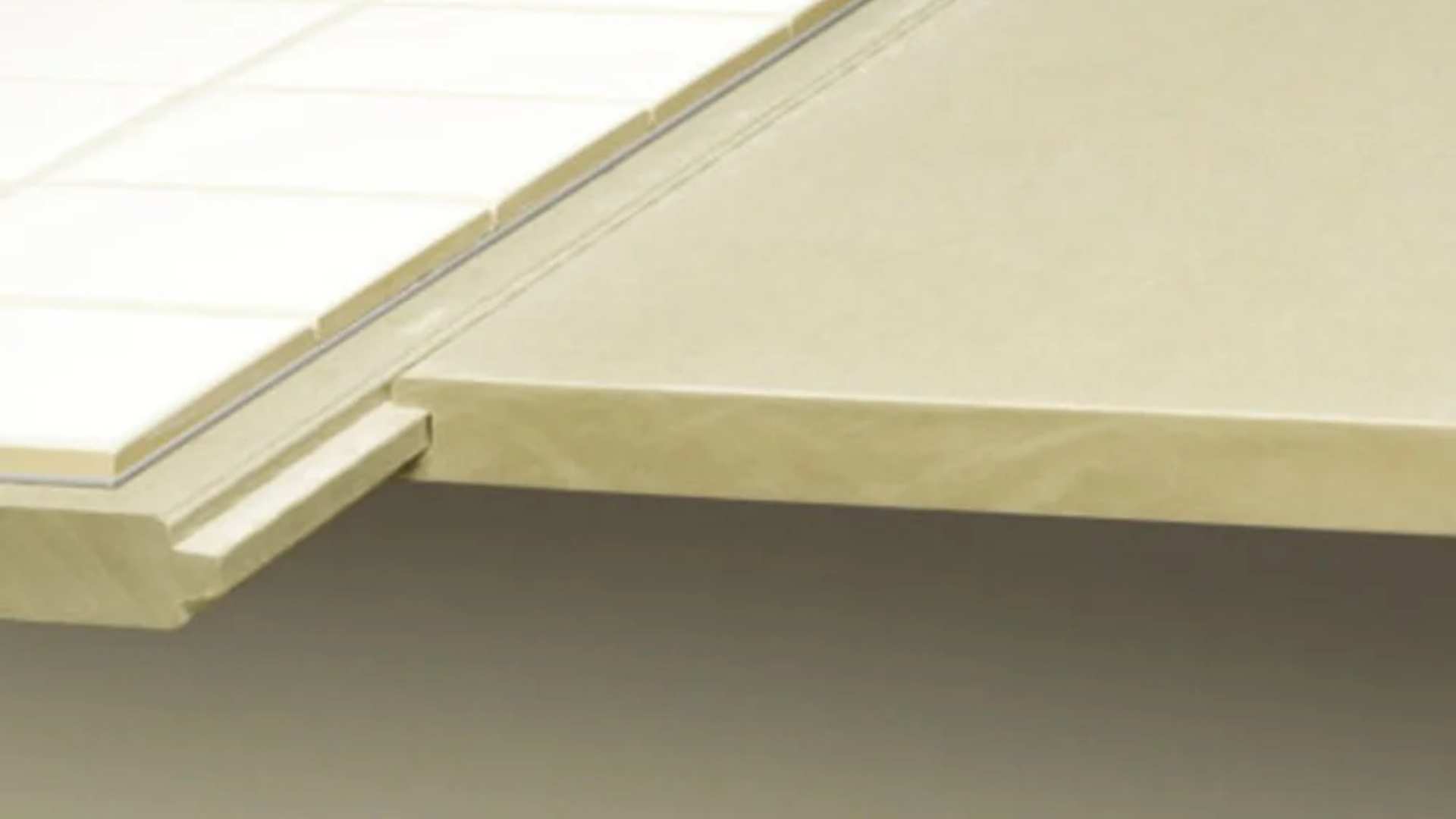
A fibre cement flooring substrate from James Hardie, Secura™ flooring is available in interior and exterior variants. It offers superior moisture and fire resistance compared to timber-based panels, making it ideal for wet areas, tiled finishes, or balconies. Secura boards can be installed directly over timber or steel joists and don’t require additional sealing.
Innova™ Fibre Cement Compressed Flooring
Innova™ F.C. compressed panels are dense, durable sheets designed for subfloors in wet areas or external decks. They provide high impact strength, water resistance, and fire performance, suitable for both residential and commercial builds. Commonly used where durability and low maintenance are priorities.
Bowens flooring substrate range
Bowens supplies a wide selection of flooring substrates, giving you more options when it comes to structural support. For more information, explore our online catalogue or visit your local Bowens store for expert advice.
Interested in overlay timber flooring or engineered timber flooring for your next project? Read our article “Overlay v’s Engineered Timber Flooring: What You Need to Know” on the blog.
Bowens Benefits
A loyalty account that gets you 5% off every shop
Ready to sign up?
Already have an account?
Login hereTrade Account
Custom pricing, 30-day trade credit + more
Ready to apply?
Already have an account?
Login here