

Shiplap Cladding: From Traditional to Modern Design
Why Use Shiplap Cladding?
Shiplap cladding is a popular cladding choice in Australia, offering both aesthetic appeal and functional benefits. Its evolution from traditional applications to modern designs highlights its versatility. Yet, understanding the various material options available ensure you select the best fit for your project.
From Traditional to Modern Design
Traditional Applications
Historically, shiplap was used as exterior cladding in structures like barns and sheds, providing a weather-tight seal and a distinctive, rustic appearance. Internally, shiplap has been used to add texture and warmth to spaces, often featured in cottages and traditional homes to create a cosy mood.
Modern Applications
In modern architecture, shiplap has been adapted for sleek interior designs, offering clean lines and a minimalist aesthetic. It is also popular internally to create focal points within rooms, such as accent walls and ceilings, adding depth and character to contemporary spaces.
Material Selection for Modern Shiplap
Selecting the appropriate material for shiplap cladding is essential, as it influences durability, maintenance requirements, and overall appearance. Bowens offers a wide range of shiplap cladding options to select from.
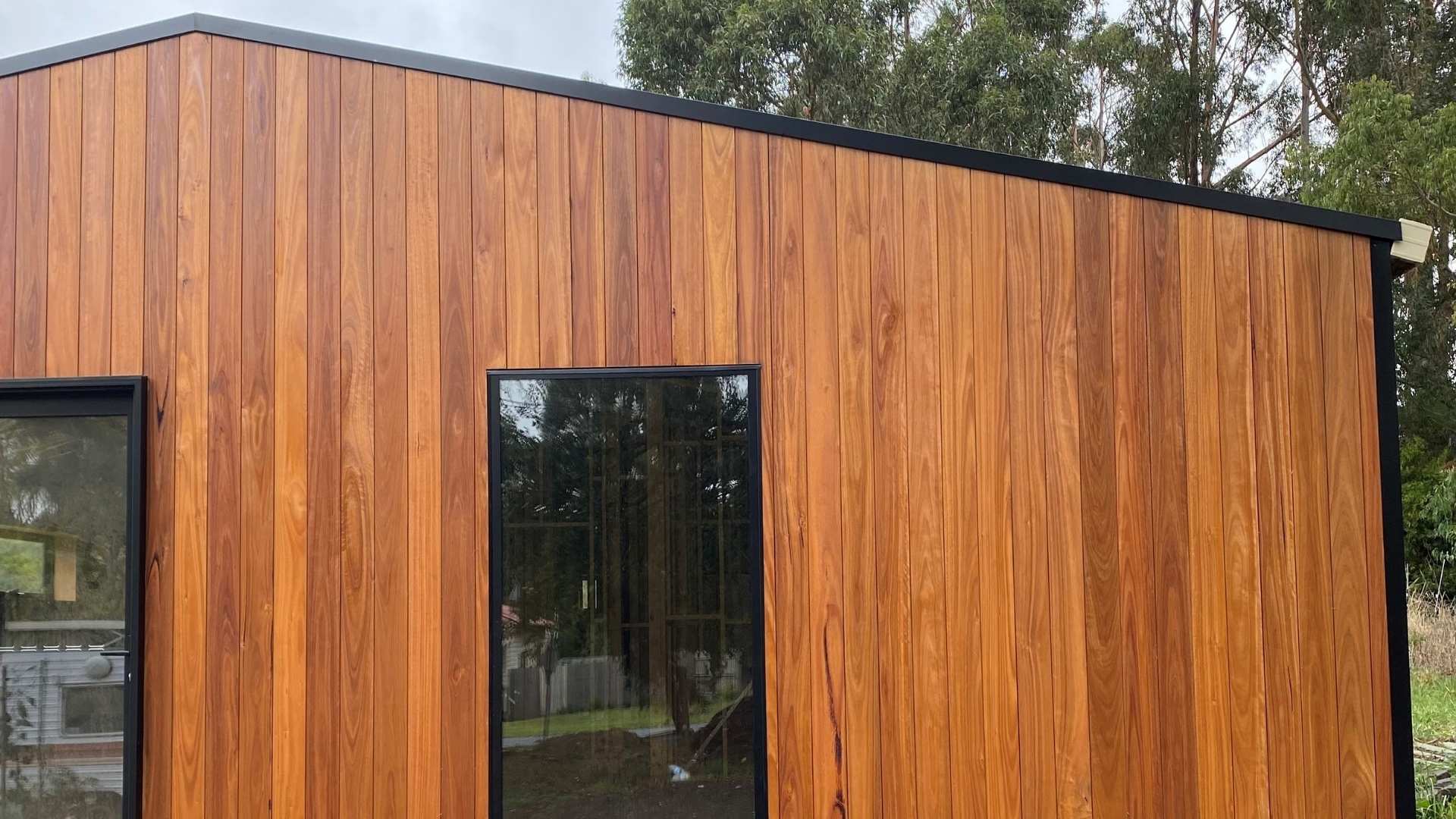
- Hardwood Timber: Species like Blackbutt and Spotted Gum are renowned for their durability and natural resistance to pests and decay, making them ideal for external applications. These hardwoods offer a rich, natural aesthetic but require regular maintenance to preserve their appearance.
- Primed and Treated Pine: A cost-effective and versatile option, treated pine is easy to work with and suitable for both interior and exterior use. It often comes pre-primed, reducing preparation time, and can be painted to achieve the desired finish. As a treated timber, it provides protection against termites and decay.
- Thermory Spruce: Thermally modified spruce undergoes a heat treatment process that enhances its stability and resistance to moisture and decay. This eco-friendly option offers the aesthetic appeal of natural wood with improved durability, suitable for various climatic conditions.
- Composite Materials: Combining wood fibers with plastic, composite cladding materials provide the natural beauty of wood with enhanced durability and low maintenance requirements. They resist rot, warping, and insect damage, making them suitable for even the toughest climates.
Installation Considerations
Proper installation is important to ensure the longevity and performance of shiplap cladding. To reduce onsite issues, consider the following:
- Board Orientation and Layout: Horizontal installation is traditional and effective for shedding water, while vertical installation can create a contemporary look but may require additional waterproofing measures.
- Concealed Fixings: Using concealed fixings enhances the visual appeal by providing a clean, uninterrupted surface. This method also protects fixings from environmental exposure, reducing the risk of corrosion.
- Expansion and Contraction: Timber cladding expands and contracts with changes in temperature and humidity. Leaving appropriate gaps between boards can prevent warping and buckling over time.
- Substrate and Ventilation: A well-prepared substrate and adequate ventilation behind the cladding are essential for preventing moisture buildup, which can lead to premature deterioration.
- Building Wrap: Installing a high-quality building wrap behind shiplap cladding is essential for improving moisture control and energy efficiency. It acts as a secondary weather barrier, protecting the structure from water ingress and reducing the risk of mould and rot.
- Fastener Selection: Using corrosion-resistant fasteners, such as stainless steel or hot-dipped galvanised fasteners, helps prevent rust and ensures a long-lasting installation, particularly in coastal or high-humidity environments.
- Sealants and Coatings: Depending on the chosen material, applying high-quality timber finishes or timber stains can extend the lifespan of the cladding and enhance its resistance to environmental factors.
Bowens Range of Shiplap Cladding
Bowens offers a wide range of shiplap cladding species from Spotted Gum, Western Red Cedar, Iron Ash, Blackbutt, Thermo-Spruce, Pine, Chestnut and more. Our selection of shiplap cladding offers builders and their clients, more choice when it comes to external cladding board.
Did you know Bowens can pre-coat your cladding boards? Pre-coating your timber cladding helps to fend off moisture, stabilise timber, ensures a cost-effective finish, faster installation and minimises tannin leaching. Find out more online or contact your local Bowens store today.
Bowens Benefits
A loyalty account that gets you 5% off every shop
Ready to sign up?
Already have an account?
Login hereTrade Account
Custom pricing, 30-day trade credit + more
Ready to apply?
Already have an account?
Login here