

Supporting Mental Health in Construction with HALT
Challenging the ‘You’ll be Right’ Culture
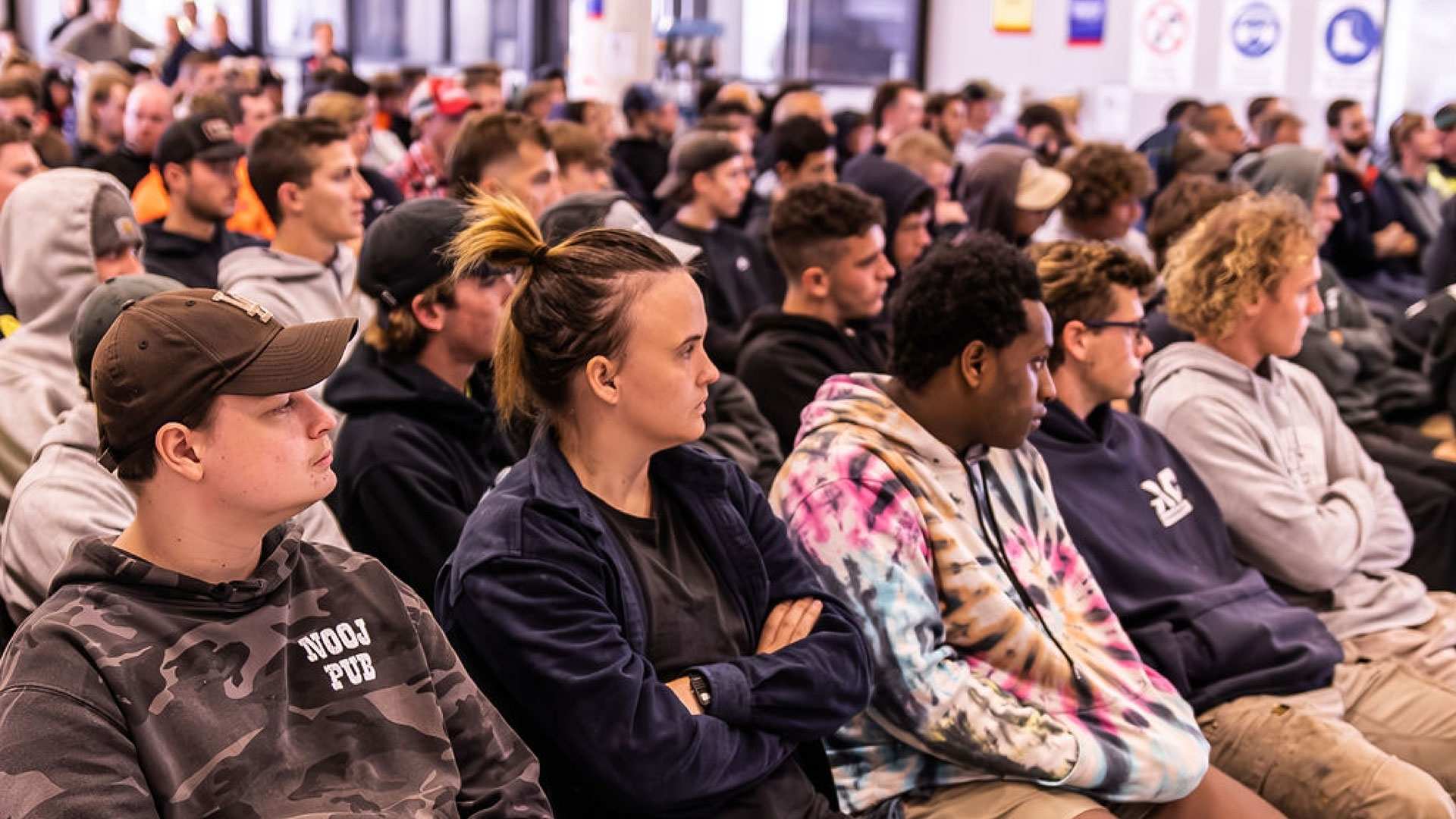
During 2023, Bowens worked closely with HALT to discuss the challenges of mental health to the young and upcoming apprentices of the construction industry at TAFEs across Victoria.
Jeremy, the co-founder of HALT, emphasised the significance of dismantling the ‘you’ll be right’ culture and equipping students with the resources necessary for preserving positive mental health. Bowens took this opportunity to engage with Jeremy and offer our Bulletin readers an understanding of HALT, mental health, and the ways in which everyone can look out for one another in the construction industry.
What is HALT, and why did it start?
HALT, which stands for Hope Assistance Local Tradies, is a mental health charity that supports men and women in the construction industry. We came into being in 2013 following the suicide of a tradie. My co-founder, Catherine Pilgrim, and I initiated this in Castlemaine in response to a growing concern in our community. We felt that we needed to raise awareness about mental health and suicide, spurred by the loss of several men to suicide. So, we joined forces, visited the local hardware store, and organised our first event in November 2013.
“HALT, which stands for Hope Assistance Local Tradies, is a mental health charity that supports men and women in the construction industry.”
How has HALT grown since 2013?
As word spread about HALT, a friend of mine invited me to speak to apprentices at TAFE. From there, we visited industrial estates, factories, construction sites, sporting clubs and local council depots. It became evident through these interactions that mental health issues affect everyone, irrespective of age or gender; it doesn’t discriminate.
What is mental health?
In my conversations with thousands of people each year, I’ve received a deep silence when I ask, “What is mental health?” Simply put, mental health revolves around our emotional well-being, our ability to handle life’s pressures, manage risk factors and build resilience. When everything in our lives is going well, our mental health stays strong and positive. However, when life throws curveballs, and we fail to address our emotions, we can find ourselves growing increasingly frustrated, fatigued, and angry. Eventually, this neglect takes a toll on our mental health, making it difficult to cope. Maintaining mental health means being open and acknowledging when we’re feeling down or upset and learning how to manage those emotions.
Why do you think there’s a high demand for HALT events in construction-related industries?
The demand for HALT events in construction-related industries is primarily due to a lack of understanding and the stigma associated with mental health. Unfortunately, the prevailing response to someone who is feeling down or upset is often a dismissive “you’ll be right,” which does little to help those in need. I admit that I, too, was once guilty of using this response with friends and colleagues. It’s a cultural inheritance passed down through generations. Tragically, we’ve lost too many construction workers to suicide due to this response. HALT aims to break this cycle and educate builders that it’s okay not to be okay, offering them tools and information to navigate their struggles.
“The demand for HALT events in construction-related industries is primarily due to a lack of understanding and the stigma associated with mental health.”
What are some typical symptoms of someone who might be struggling with their mental health?
The signs of mental health struggles can range from subtle changes in behaviour to noticeable mood swings. Someone may be pessimistic or use negative language, arrive late for work, call in sick frequently, or seem emotionally distant. Some may resort to alcohol or drugs as a coping mechanism. Having trouble with sleep and signs of stress and fatigue are also common. Relationship issues and financial challenges are two leading causes of mental health problems. Given the recent financial difficulties in the construction industry, it’s essential to keep an eye on your friends and colleagues to ensure they’re okay.
“The signs of mental health struggles can range from subtle changes in behaviour to noticeable mood swings.”
If you notice these patterns in a friend or workmate, what should you do?
When you notice a friend or colleague struggling, it’s crucial to engage with them openly. Initiate a candid conversation by directly asking, “How are you doing?” or “I’ve noticed you’ve been off lately; is everything okay?” In these moments, it’s important to actively listen without judgment, as individuals in distress may feel like a burden when discussing their emotions. Ensure you provide your full attention and support. The setting is also important; some people may not feel comfortable discussing their feelings on a worksite, so find an atmosphere where they feel safe opening up.
An often-overlooked resource is Lifeline. While many are aware of Lifeline and Beyond Blue as support services for mental health, they may not understand how these services can help. Lifeline offers 24/7 mental health support via phone, free of charge and under complete confidentiality. They don’t require personal information like your name, job, or company. You don’t have to be suicidal to call them; they’re available to help with stress, anxiety, or financial concerns. In cases where you’re unsure how to assist a struggling friend, you can call Lifeline, put them on speaker, and say, “My mate is struggling; can you speak to them?” Lifeline will provide the support they need and it is a great tool to use if you are unsure what to say.
What tips do you have for builders who may be faced with financial troubles, as well as managing a team of carpenters?
As a builder, you carry the responsibility of managing clients and creating a positive work culture. This role comes with considerable pressure, alongside the demands of business management, including contracts, equipment, goods, and services. Trying to secure quotes, managing invoices, and numerous other tasks can quickly become overwhelming. Builders often adopt the “you’ll be right” attitude and fail to take a moment to decompress. As stress continues to mount, the anxiety of feeling the need to carry the entire team can become overpowering. I liken this situation to a boiler without a release valve: as work and life pressures build, without an outlet, the pressure grows until it’s on the brink of exploding.
“In our efforts to make a difference, HALT is available to visit your worksite and discuss mental health.”
In our efforts to make a difference, HALT is available to visit your worksite and discuss mental health. We’re happy to accommodate your schedule, whether it’s a 15–30-minute talk at 7 in the morning or another convenient time. Reaching out to HALT can provide your team with tools to manage life’s pressures and release the built-up stress.
Bowens Benefits
A loyalty account that gets you 5% off every shop
Ready to sign up?
Already have an account?
Login hereTrade Account
Custom pricing, 30-day trade credit + more
Ready to apply?
Already have an account?
Login here