

The Difference Between Adhesives & Sealants
Get the Right One for the Job
Getting the right adhesives and sealants for the job makes all the difference when it comes to quality construction. Whether you’re installing internal lining, sealing a shower screen, or laying timber flooring, knowing which adhesives and sealants to use and when can ensure a reliable finish.
Let’s break down the differences between adhesives and sealants, so you can avoid any setbacks.
What’s the Difference?
Adhesives are designed to bond building materials together, providing structural strength and a permanent bond. Sealants are primarily used to seal joints, fill gaps and prevent moisture, dust or air penetrating the building.
While their functions might overlap on the jobsite, their roles are distinct.
How They Work: Key Differences in Formulation
Adhesives offer high-strength bonds that cure to offer a rigid finish, making them ideal for structural or semi-structural work. They’re often chemical- and temperature-resistant, providing long-term performance.
Sealants, on the other hand, are flexible and weather-resistant. They’re made to expand and contract with building movement, making them perfect for joints, transitions, and gaps, especially where two different materials meet.
Key Advantages of Adhesives
- Long-lasting structural hold
- High initial grab and permanent cure
- Suitable for a wide range of substrates
- Can withstand movement and vibrations
- Chemical and impact resistant
- Options for rapid cure, heat resistance, or high-strength load-bearing.
When to Use Adhesives

Adhesives should be used for tasks like installing wall cladding, flooring systems, stairs, and structural panels. Select the adhesive based on the substrate you’re working with because not all adhesives bond with all surfaces. The application process can also be different for some substrates, so it is always best to check with the manufacturers guidelines before choosing an adhesive.
Common types include:
- MS Polymer adhesives
- Polyurethane glues
- Silicone-based adhesives
- Epoxy resins
- Acrylic or polyimide adhesives.
Note: For vertical applications, support materials with fasteners until the adhesive has fully cured.
Key Advantages of Sealants
- Accommodates building movement
- Moisture, UV, and weather resistant
- Ideal for air or watertight joints
- Flexible cure allows for shifting substrates
- Highly durable and long-lasting.
When to Use Sealants
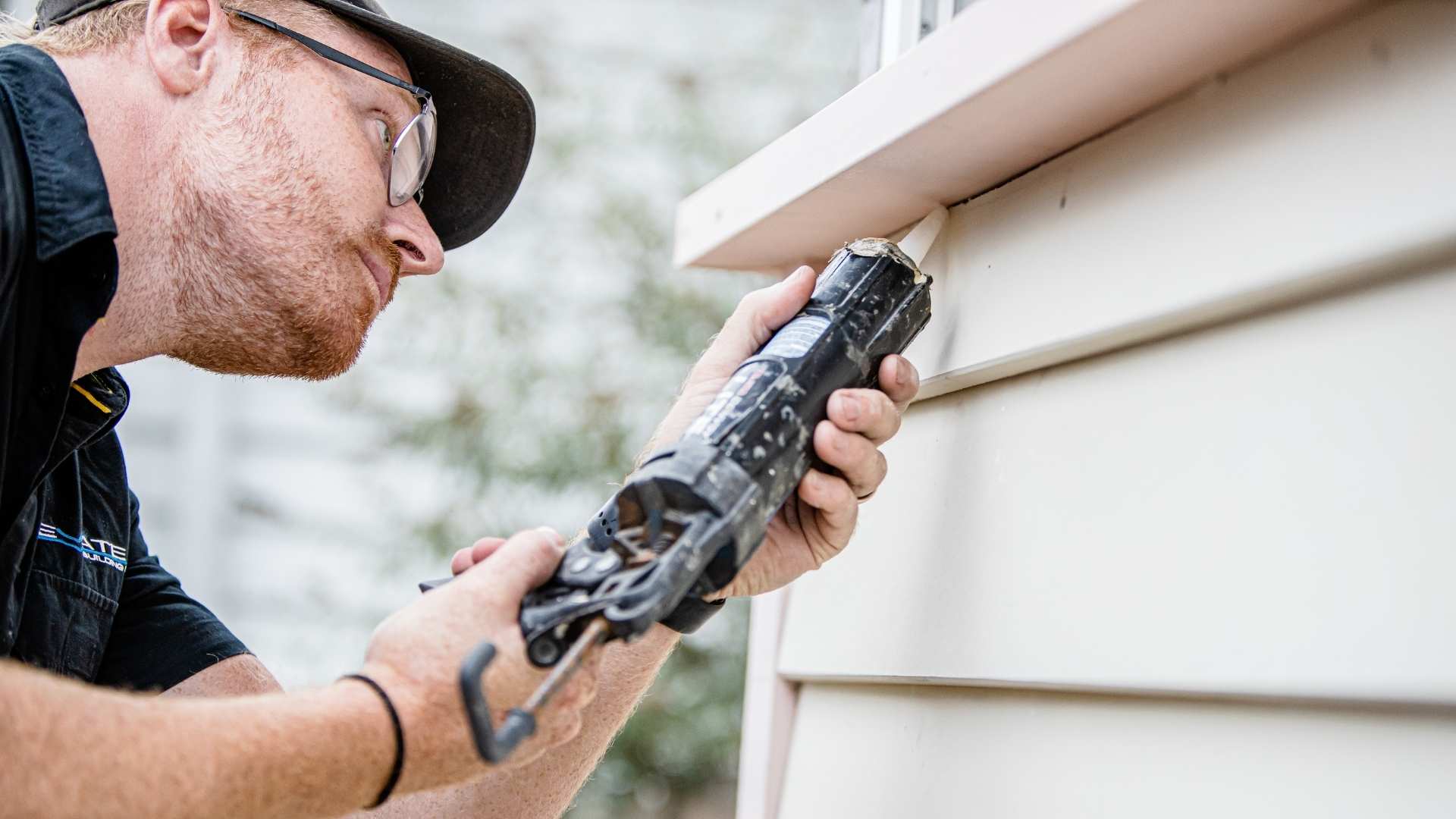
Sealants come into play for expansion joints, window and door frames, and wet areas like bathrooms and laundries. Their flexibility allows them to move with the structure without breaking the seal.
Common sealant types include:
- MS Polymer sealants
- Polyurethane sealants
- Silicone caulk
- Butyl rubber
- Polysulfide sealants.
Common Jobsite Mistakes
Adhesives and sealants can fail onsite due to the following error;
- Failing to properly prepare surfaces before applying adhesives and sealants
- Not following curing times
- Using the wrong adhesive or sealant for the project
- Assume all adhesives are structural or that all sealants are flexible.
Always read the label and Technical Data Sheet (TDS) to make sure the product suits the specific application.
Bowens Range of Adhesives & Sealants
Knowing when and where to use adhesives and sealants ensures the job holds up under pressure and stands the test of time.
Need help choosing the right adhesive or sealant for your project? Browse our full range online or visit your local Bowens store and chat to our knowledgeable staff.
Bowens Benefits
A loyalty account that gets you 5% off every shop
Ready to sign up?
Already have an account?
Login hereTrade Account
Custom pricing, 30-day trade credit + more
Ready to apply?
Already have an account?
Login here