

The Impact of Timber Treatment on Framing Longevity
Timber treatment is essential in construction, significantly enhancing the durability and longevity of framing timber. This process involves applying protective chemicals to the wood, which helps guard against decay, pests, and environmental damage. Treated timber is more resistant to common problems like rot and insect attacks, ensuring the structural integrity of buildings.
By improving the lifespan of timber frames, these treatments provide valuable long-term benefits, including reduced maintenance and repair costs. That’s why it is important to understand the various timber treatment options and their advantages. Utilising treated timber can lead to more reliable and durable constructions, offering peace of mind for builders and homeowners.
Effective treatment of timber not only extends the service life of the material but also enhances safety by reducing the likelihood of structural failures.
What is Timber Treatment?
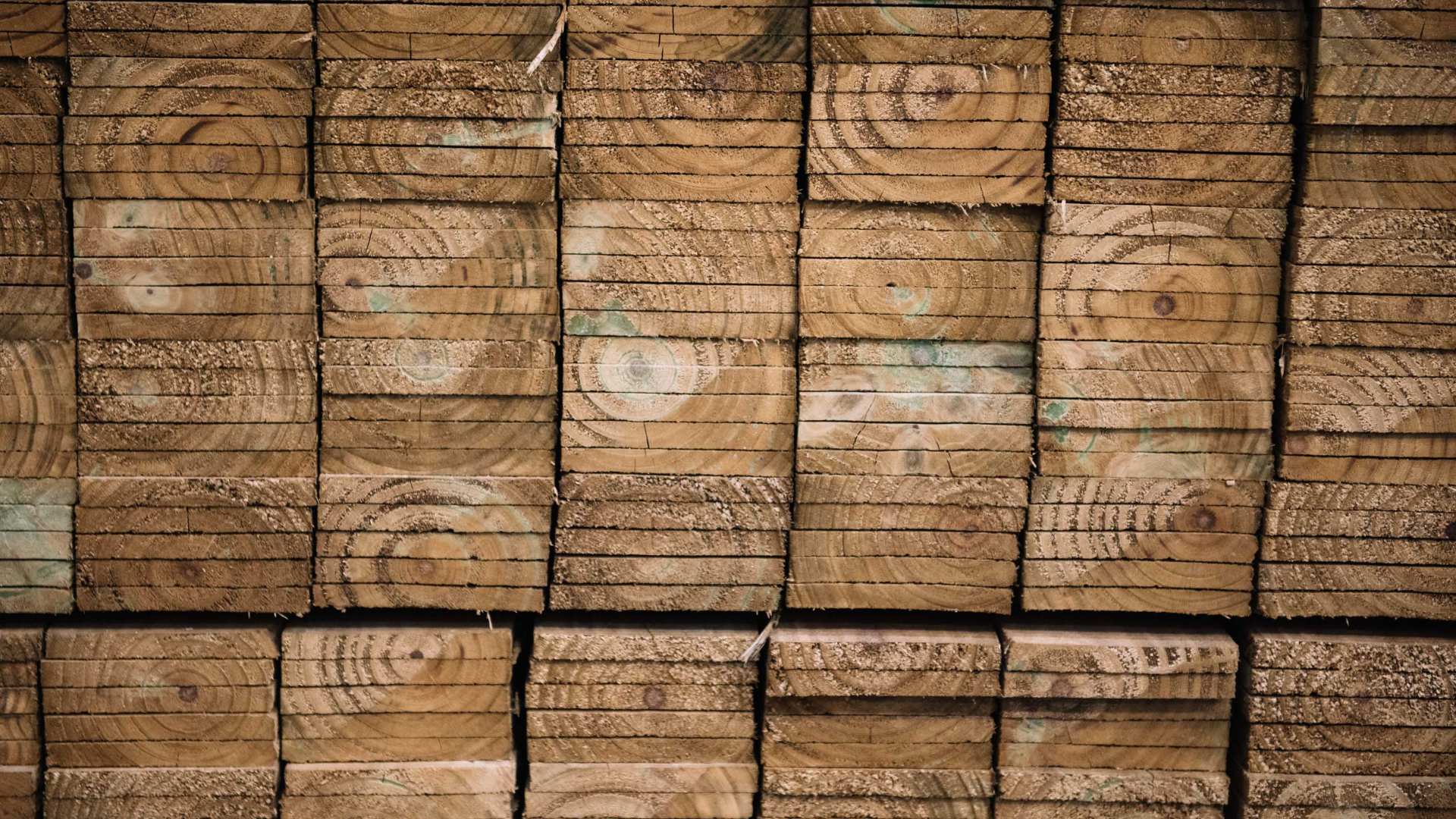
Timber treatment refers to the application of chemical preservatives to wood, aiming to enhance its durability and protect against environmental threats. This process is crucial for prolonging the life of wood used in construction, ensuring it withstands challenges like decay, pests, and weather-related damage. By treating timber, builders ensure that structures are safer and more durable.
Common types of timber treatments for framing include:
- Pressure Treatment: Chromated Copper Arsenate (CCA), Alkaline Copper Quaternary (ACQ) and Copper Azole (CA)
- Fire Retardant Treatments: Surface applied in factory, surface applied onsite and heated curing
- Water Repellent Treatments: Light organic solvent preservative (LOSP) and water or oil-based coatings.
Each treatment targets specific weaknesses in wood, ensuring it remains a reliable and safe material for construction projects.
Types of Timber Treatments
Timber treatments protect wood from environmental threats, with each type tailored for specific challenges. Here we explore three main treatments: pressure-treated treatments, fire retardant treatments, and water-repellent treatments, each offering unique benefits.
Pressure-Treated Timber
Pressure-treating involves infusing timber with chemical preservatives under high pressure. This process deeply embeds the chemicals, making the wood resistant to decay, insects, and fungal attacks. The main advantage of pressure-treated wood is its extended durability, ideal for construction that demands long-lasting materials. This treatment ensures the timber can endure tough conditions, reducing the need for frequent repairs and maintenance. This treatment is used for structural timber, decking beams and posts, fence posts and railings.
Fire Retardant Treatments
Fire retardant treatments apply chemicals that reduce timber’s flammability and slow fire spread. These chemicals form a barrier that lessens the wood’s ability to burn and decreases heat release if a fire occurs. Such treatments are crucial for improving safety in buildings, especially in fire-prone areas, enhancing occupant safety and meeting fire safety standards. This treatment is common for timbers used in bushfire rated areas or industrial or commercial properties where flammable products are used.
Water-Repellent Treatments
Water-repellent treatments minimise timber’s water absorption to prevent swelling, warping, and rot. These treatments coat the wood with a protective layer that repels water while allowing it to breathe. Benefits include better dimensional stability and resistance to mould. This is particularly useful in wet climates or for outdoor construction exposures, ensuring the wood stays strong and looks good over time. It is used for weatherboards, external cladding, bargeboards, fascia and external joinery.
Enhancing Durability and Resistance
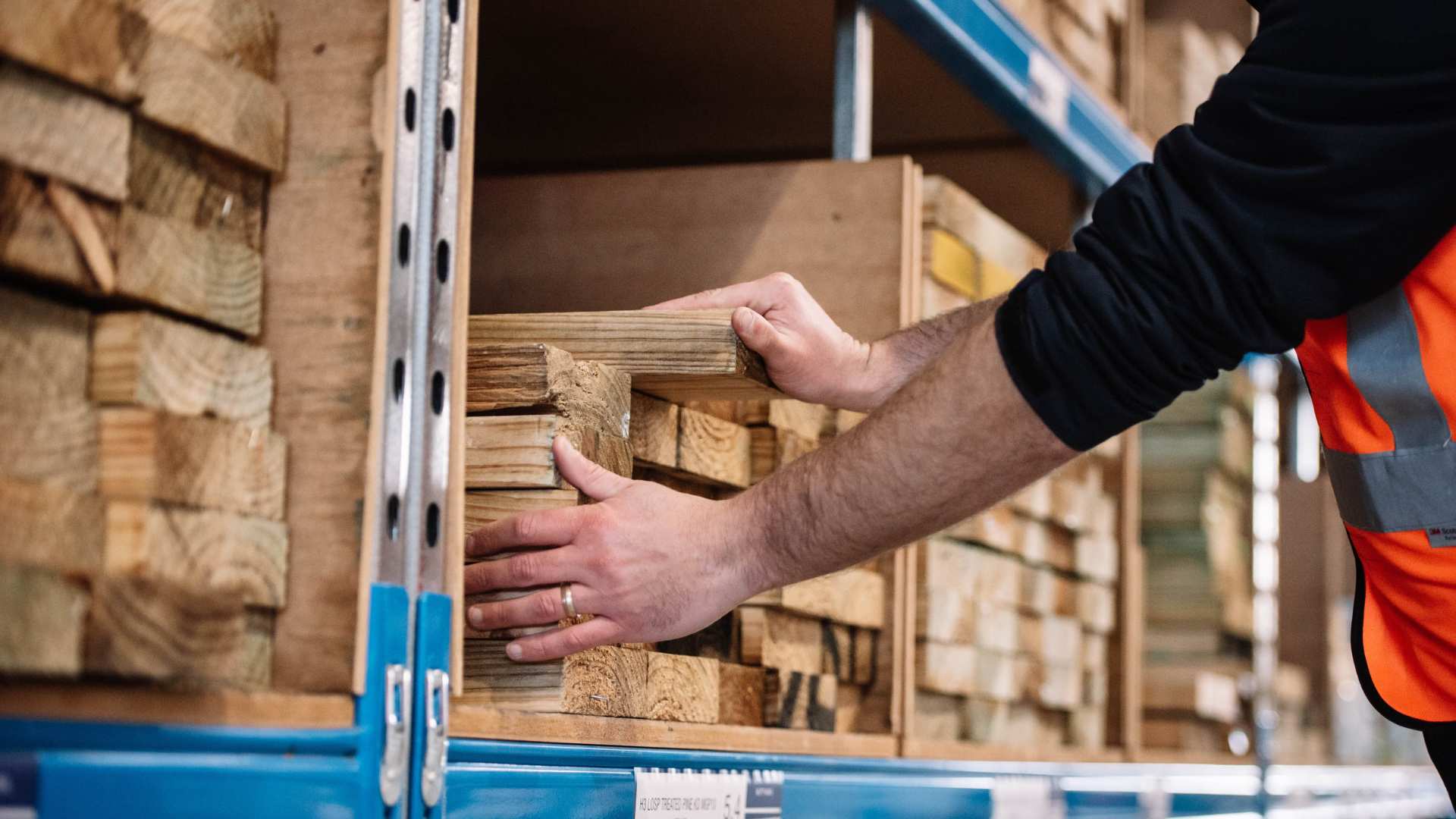
Treated timber significantly boosts the longevity of building frames and offers clear economic benefits. Although the initial cost is higher than non-treated wood, the long-term savings are considerable. Treated timber demands less maintenance and fewer repairs throughout its life, lowering overall costs. This makes it a cost-effective option for both residential and commercial projects.
Structurally, treated timber retains its strength longer than untreated wood, resisting common issues like rot and insect damage. This durability ensures that structures remain safe and in good condition for longer, maintaining their structural integrity. Opting for treated timber in construction frames maximises investment by building more resilient and lasting structures.
Bowens Solutions for Timber Framing
At Bowens, we understand the importance of using high-quality timber in construction. That’s why we offer an extensive selection of treated and non-treated framing timber to meet diverse building needs and preferences. Our treated timber options are designed for those seeking enhanced durability and longevity, perfect for structures that require extra resistance to environmental challenges.
At Bowens, our knowledgeable staff are always ready to provide expert advice and support, helping you choose the right framing timber for your specific needs. Whether you are a professional builder or a DIY enthusiast, we are here to support you at every step of your project. For more information about our range of framing timber or to get personalised advice, browse our products online or visit your local Bowens store.
Bowens Benefits
A loyalty account that gets you 5% off every shop
Ready to sign up?
Already have an account?
Login hereTrade Account
Custom pricing, 30-day trade credit + more
Ready to apply?
Already have an account?
Login here