

The Most Affordable Way to Achieve 7-Stars andBeyond
How to Achieve 7-Star Performance Through Smart Design
With rising energy costs and growing climate demands, designing energy-efficient homes that are comfortable, high-performing, and affordable is fast becoming a priority for builders. The good news is sustainability doesn’t have to break the budget. The most cost-effective way to achieve a 7-star or higher energy rating is through smart, passive solar design.
A home well-designed for its climate will naturally regulate temperature, maximise natural light, reduce energy use, and connect the occupant to the outdoors. It all starts at concept stage, and with the right layout, materials and advice, you can deliver 7-star and above, within budget.
Orientation of Your Home
In Victora we are trying to heat our homes for most of the year. It makes sense then, to get as much winter sunlight into the home as possible for free heating. By placing living areas on the north side, winter sun can be maximised, reducing heating needs, and maintaining natural light levels. Prioritising northern solar access—especially for living spaces—makes reaching 7-star energy ratings easier and improves liveability and connection to the outdoors. Sometimes this will take a creative response depending on the site constraints.
Top tips:
- Place living areas on the north, then place as many other rooms as possible to receive northern sun, within the scope of the design
- Locate utilities and garages on the cooler south and west sides
- Minimise hallways to lower heating needs
- Minimise wall to floor area ratio where possible in the scope of the design, as heat flow is proportional to surface area.
Windows and Eaves

Windows are a major source of heat loss and gain, so their placement and size are critical. Prioritise north-facing windows in living areas, limit total window area to around 22% of floor space, and avoid large, unshaded east or west-facing windows to prevent overheating.
Even high-performance windows underperform thermally compared to walls, so thoughtful design is essential.
Top tips:
- Place windows in the wall where they are out of winter shade, and can bring the sun deep into living spaces in winter
- Choose windows with low U-values <3, so they are more insulative against heat loss when the sun goes down
- Use eaves or external shading to block the harsh east and west sun
- Size northern eaves to shade in summer, but still give full solar access in winter
- If budget is tight, prioritise high-performance windows in main living areas.
Insulation to help achieve 7-star
Effective insulation and tight construction are essential to achieve 7-star+ performance. Ceiling insulation offers the biggest impact. When assessing how much insulation to use, start with R4.0–R6.0 in ceilings, depending on space, and R2.5 in walls and under subfloors. Your energy assessor can optimise from there when getting your energy rating.
Top tips:
- Design raised heel trusses so ceiling insulation can full loft over external wall plates
- Where using downlights, ensure they are IC-4 rated sealed downlights so insulation can safely run over
- Duct extraction fans with self-closing dampers to the exterior of the home (not roof space)
- Fit weather strips on external doors to reduce air leakage.
Remember, for insulation to perform to its R-value on the ground it must be installed without gaps, or compression, in a draft free environment. To consistently turn out a quality thermal builds download and use the SBA Builders Thermal Performance QA Checklist.
Thermal Mass
Thermal mass materials like concrete, brick, or stone inside the insulated envelope, help stabilise indoor temperatures. It’s especially effective in climates with large day–night temperature swings or in cool to temperate climates with good solar access. Used well, it stores warmth in winter and absorbs excess heat in summer, reducing energy needs and improving comfort.
Top tips:
- Slab-on-ground floors offer the most cost effective thermal mass distribution through a home
- Insulate under and around slab edges, especially when slab edges are high. This benefit should be quantified by an energy assessor as design stage.
Ventilation
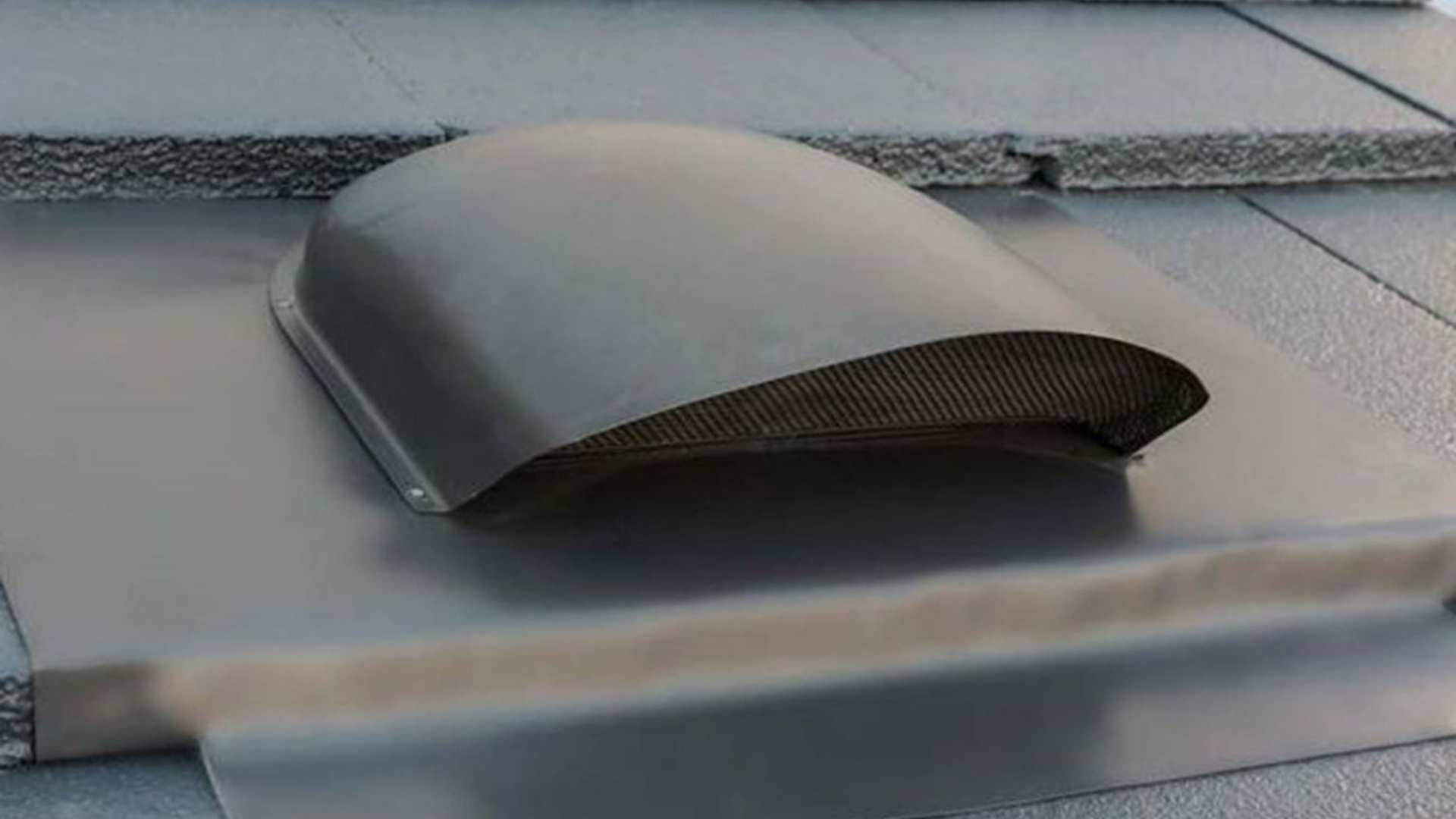
Designing for ventilation means designing your floorplan and windows to capture summer breezes and promote natural airflow. Proper ventilation improves comfort, reduces reliance on air conditioning, and gives free cooling on summer afternoons when coastal sea breezes kick in for homes near coastlines, and evenings when local cool breezes flow down valleys inland.
Top tips:
- Confirm which way your afternoon/evening breezes blow in summer, and consider sash type windows hinged to capture these breezes
- Include ceiling fans to minimise reliance on cooling systems
Choose Colours Suitable to the Climate
Colour choices do more than define a home’s aesthetic, they directly impact thermal performance and energy efficiency. In warmer climates, lighter colours reflect more sunlight and reduce heat gain through the building envelope. In cooler climates, darker tones absorb more heat, improving warmth retention during colder months.
That said, the impact of colour lessens in homes with high levels of roof and wall insulation. If you’re already investing in good insulation, colour becomes less critical, but it can still offer marginal gains that can make a difference.
Get Energy Assessors on Your Team at Design Concept
One of the most affordable ways to achieve 7 stars is to get an energy assessor involved early at the design stage instead of waiting until plans and documentations are finalised. Energy assessors can help optimise design choices before design issues become too locked in and expensive to change. They can flag thermal performance issues, suggest better orientations, and model different scenarios to get the best performance from your client’s design and budget.
Importantly, with the new NatHERS Whole of Home software they can also help select efficient fixed appliances, and size rooftop solar systems for net zero outcomes and low cost living.
7-Star and the Sustainable Builders Alliance
Want to be part of a community driving low-carbon, sustainable construction? Learn more about the Sustainable Builders Alliance on their website.
For detailed guidance on designing for climate, download the 7 Star Cheat Sheet for a practical tool that shows how design decisions influence energy ratings. And explore the free industry resource, the 5 Rules of Passive Solar Design, the first step in the SBA Roadmap written by Jeremy Spencer, Director of SBA and Positive Footprints, for further information.
Bowens Benefits
A loyalty account that gets you 5% off every shop
Ready to sign up?
Already have an account?
Login hereTrade Account
Custom pricing, 30-day trade credit + more
Ready to apply?
Already have an account?
Login here