

Timber Expectations: Between Supplier, Builder & Homeowner
Timber Expectations: Between Supplier, Builder & Homeowner
Many times, in my years of trouble shooting, I have been confronted with situations where, particularly the homeowner, was not happy with a product, and yet the problem was one that could reasonably be expected to happen.
What I am saying is; wood is hygroscopic, and as such, timber products are subject to immediate climatic conditions and can cause the products we use to move resulting in dimensional changes. In addition, can cause some other issues depending on the product qualities, such as checking and minor cracking.
Let me give a couple of cases as examples:
Large Sectioned Timbers
I was asked to source large, sectioned hardwood timber for an up-market pergola as follows:
- The size was 200x200mm so heart in was unavoidable. The posts were going into the ground
- The species was Tallowwood, rated class 1 in-ground
- However, this species has a tendency to crack on the ends, particularly in an unseasoned form as drying takes place, and this was the case in this situation
- It was required quickly, otherwise I would have suggested a recycled product, being a high profile job
- I sourced a product that was 2 years old. As it was, end cracking had taken place.
We warned our client of the end splitting with some suggestions; using bitumen paint on the part that would be implanted in the ground. However, when the material arrived, I found some other features that was outside the previous warning of end cracking. Accordingly, I called a halt to the intended machining process. I then took some photos of these features and sent to the architect/ owner for their approval.
In hindsight I was a little too optimistic in assuming, as the material was 2 years old, that the cracking was only affecting the ends, and therefore our client would not be aware of these other features.
As it was, the client accepted the photos we sent, and I also negotiated some extras with our supplier.
Timber Flooring
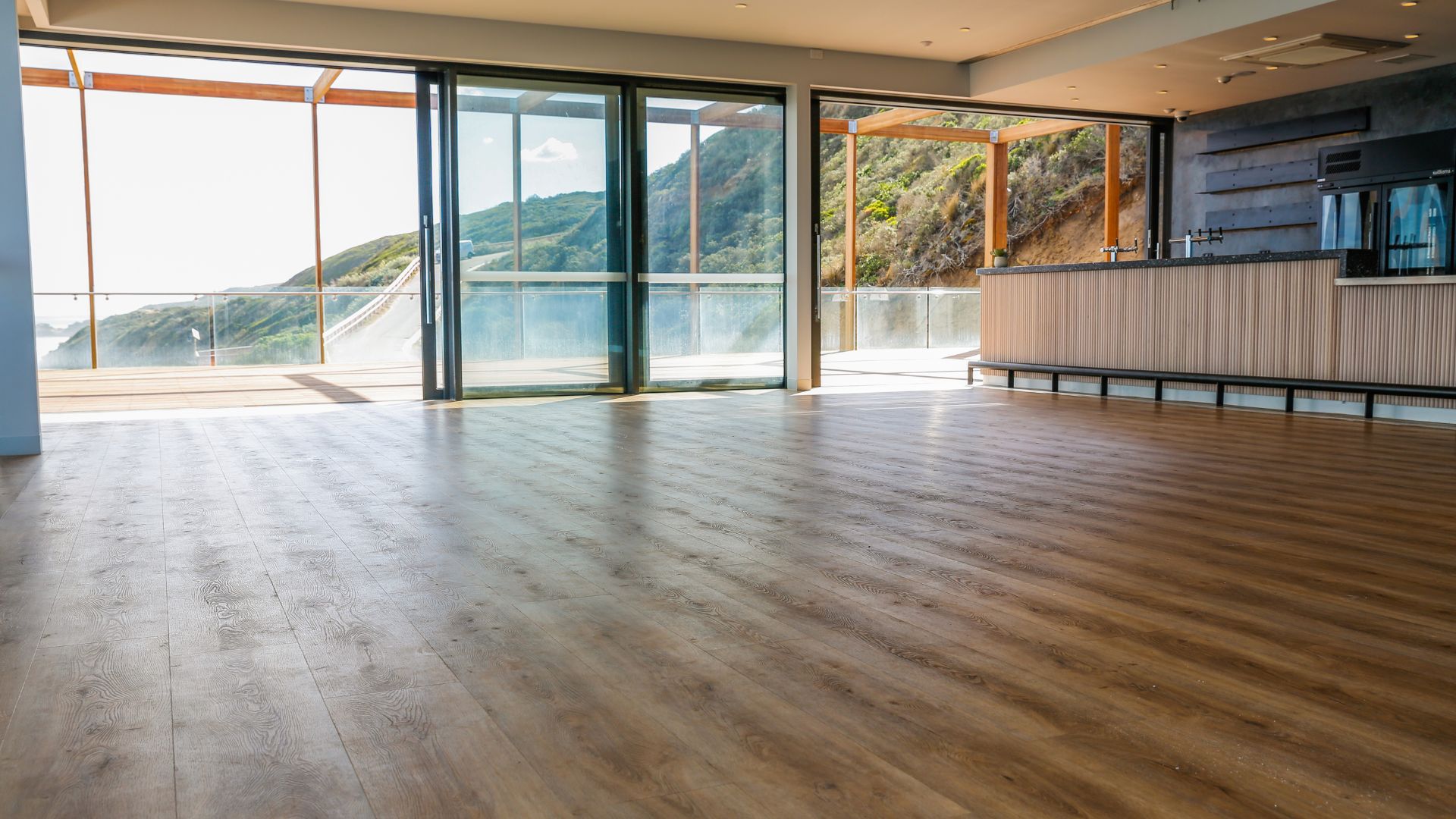
When talking of expectations, timber flooring is a product history would say the builder, or particularly the homeowner, is often under false expectations.
All reputable flooring installers would set out to install a perfection-free floor. However, there are often conditions that cannot be controlled that can cause the timber flooring to move. This is not to say the flooring is not of a high standard – there are grading rules that cover some timber movement. Some factor include;
Internal: Besides normal seasonal changes, internal factors like air conditioning and heating can cause floorboard movement
Various Grades: Timber flooring is available in various grades and these are sometimes difficult to convey to a homeowner, particularly if displayed with a relatively small sample board.
Species Hardness: Another variable that can vary is species hardness, commonly called janka rating. The hardness of the timber is very relevant in situations where the flooring is used as a sports floor, for example, where the timbers hardness is extremely important.
Our suggestion is to, wherever possible, have all parties meet to discuss the various aspects of each flooring situation, so the homeowner has realistic expectations. The flooring installer should also have good qualifications or a member of an organisation such as The Australian Timber Flooring Association. They should be willing to come back if post-installation issues arise.
For more information about flooring installation, explore our blog “Timber Flooring Installation: Which Method Should You Use.”
Bowens Benefits
A loyalty account that gets you 5% off every shop
Ready to sign up?
Already have an account?
Login hereTrade Account
Custom pricing, 30-day trade credit + more
Ready to apply?
Already have an account?
Login here