

Timber Flooring Acclimatisation: How Important is it?
Timber Flooring Acclimatisation: How Important is it?
Timber flooring offers a timeless warmth to any home. However, as a natural product, solid timber flooring is prone to movement. If not installed correctly, this movement can result in cupping and gapping, ultimately damaging the flooring.
In this blog, we explore timber flooring acclimatisation and why it is so important when installing solid timber flooring or even engineered timber flooring.
What is Timber Flooring Acclimatisation?
Timber flooring acclimatisation is the process in which timber is allowed to adjust to the new climate prior to installation. With a wide variation of climates in Australia, timber that is shipped across the country will almost always need to adjust to the new environment to prevent movement once it is installed. When a timber acclimatises, it finds a point of balance between seasons where it is most stable.
Why is it important?
Timber flooring acclimatisation aims to minimise the movement of the floor after installation. This movement is caused by swelling from moisture uptake, or, as the timber releases the moisture, shrinkage. Acclimatisation minimises the chances of damage to the floorboards and ensures a more dimensionally stable product.
The timber flooring must meet the equilibrium moisture content (EMC) of in-service environment (the installation area). If it is less than the EMC it will shrink, if it is more than the EMC, it will swell. When onsite, the timber flooring moisture content may vary up to 2% from the warehouse in which it was stored, making acclimatisation an important part of the installation process.
How to Acclimatise Timber Flooring
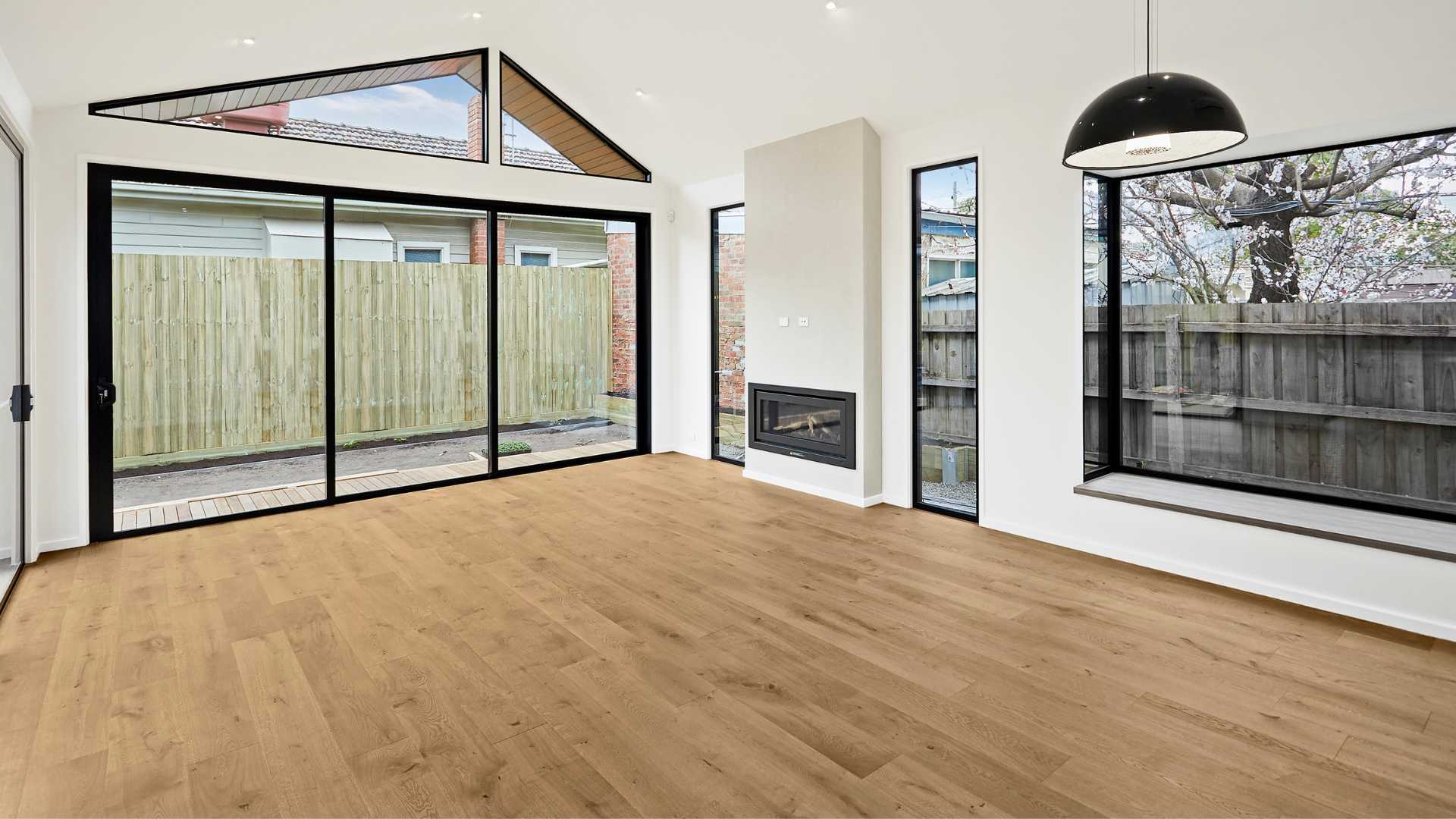
The flooring should be placed internally onsite 24-48 hours prior to installation to acclimatise to the new environment. The environmental conditions within the home should resemble the environment of the completed building, ensuring as little change in moisture content as possible.
A lot of timber flooring is acclimatised to the closest capital city prior to delivery, shortening the process for quick installation. However, most timber flooring installers will want the flooring to sit onsite for the minimum timeframe to be confident it has acclimatised to the environment.
Effects of Incorrect Installation
If timber flooring is installed without acclimatisation, the timber boards, if subjected to changes in weather conditions, will contract, causing large gaps between boards, and expand, causing cupping and buckling. This is an expensive error to fix post-installation.
Timber Flooring at Bowens
Bowens always recommends timber flooring acclimatisation. We provide more information in our flooring installation guidelines to ensure that our timber flooring does not buckle, cup or shrink. Bowens offers a wide selection of solid timber flooring and engineered timber flooring suitable for a range of residential and commercial properties. Explore our flooring products online or drop into our Circa showroom in Port Melbourne for more information, flooring samples and expert advice.
Want to know the best way to install your engineered timber flooring? Read our blog, “Timber Flooring Installation: Which Method Should You Use?”
Bowens Benefits
A loyalty account that gets you 5% off every shop
Ready to sign up?
Already have an account?
Login hereTrade Account
Custom pricing, 30-day trade credit + more
Ready to apply?
Already have an account?
Login here