

What is the difference between H2 & H3 Treated Pine
Which Treated Timber is Right for Your Project?
Treated pine offers durability and resistance against environmental factors that can compromise structural integrity. Builders and trades need to select the right treatment class based on the conditions the timber will be exposed to. This blog compares H2 and H3 treated pine, highlighting their differences, applications, and how to choose the best option for your project.
What is Treated Pine?
Treated pine is a softwood timber infused with preservatives to protect it from decay, insect attacks, and fungal growth. This treatment process increases its longevity and, depending on the treatment type, allows it to be used for external applications.
Understanding H2 Treated Timber
H2 treated pine, also known as blue pine, is designed for interior, above-ground use where it is protected from moisture. It is treated with chemicals which offer protection against termites but do not make the timber resistant to fungal decay.
Common Applications
Blue pine is commonly used for:
- Wall framing in residential and commercial buildings
- Roof frames, trusses and internal beams
- Flooring substrates.
Advantages and Considerations
Advantages:
- Provides effective termite protection
- Affordable compared to higher treatment grades
- Lightweight and easy to work with.
Considerations:
- Not suitable for external applications
- It does not provide resistance to fungal decay or prolonged moisture exposure.
What is H3 Treated Pine?
H3 treated pine is designed for outdoor, above-ground use, where it will be exposed to weather conditions such as rain, humidity, and UV radiation. This treatment process provides resistance to fungal decay, rot, and insects.
Common Applications
H3 treated timber is best suited for:
- Decking subframes
- Fascia boards
- Pergolas and outdoor structures.
Advantages and Considerations
Advantages:
- Resistant to moisture and fungal decay
- Suitable for outdoor and exposed applications
- Increased lifespan compared to untreated or H2 timber.
Considerations:
- More expensive than H2 treated timber
- Should not be used in direct ground contact
Key Differences Between H2 and H3 Treated Pine
| Feature | H2 Treated Timber | H3 Treated Timber |
| Treatment Chemicals | Termite-resistant chemicals | Copper-based preservatives for decay & insect resistance |
| Intended Use | Indoor, above-ground | Outdoor, above-ground |
| Moisture Resistance | Not moisture-resistant | Resistant to moisture & fungal decay |
| Durability | Protection against termites only | Protection against termites, fungi & rot |
Choosing the Right Treatment for Your Project
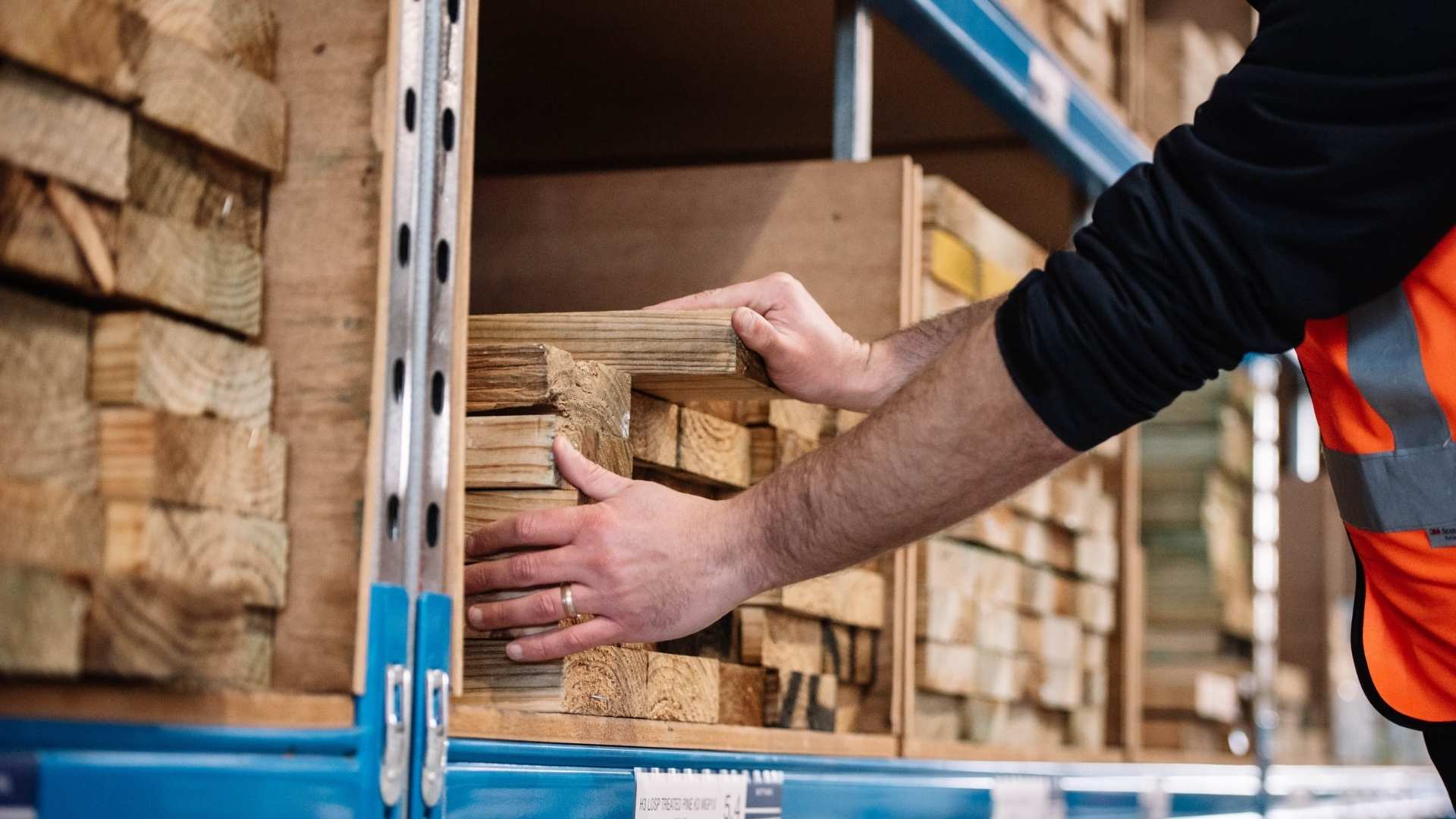
Treated pine allows protection against termites, fungi and rot, ensuring your building structure is long-lasting. Bowens supplies a wide range of treated timber including H4 treated pine and H5 treated pine.
To learn more about the timbers you need for your next project, read our blog, “A Guide to Framing Timber Terms.”
Bowens Benefits
A loyalty account that gets you 5% off every shop
Ready to sign up?
Already have an account?
Login hereTrade Account
Custom pricing, 30-day trade credit + more
Ready to apply?
Already have an account?
Login here